Many adults turn to GLP-1 medications to improve their metabolic health and support weight management. While these treatments offer significant benefits, patients frequently encounter a temporary but uncomfortable hurdle during their journey. If you recently started treatment and feel a bit queasy, you are certainly not alone. Nausea is the most widely reported side effect among new users.
Understanding exactly why GLP-1 causes nausea can help you take proactive steps to feel better. Rather than feeling discouraged, learning about your body's response to the medication empowers you to adjust your daily habits. This comprehensive GLP-1 treatment guide explains the science behind this symptom and offers practical management strategies to help you stay on track.
Understanding GLP-1 Medications
Glucagon-like peptide-1 (GLP-1) receptor agonists are a class of medications designed to mimic a naturally occurring hormone in your body. Popular options include semaglutide and tirzepatide. These medications essentially tell your pancreas to release insulin after you eat, which helps control blood sugar levels.
Additionally, they send signals to your brain that you are full, significantly reducing your daily calorie intake. While this mechanism is highly effective for weight loss, the systemic changes in your digestive process often bring about mild to moderate GLP-1 side effects, with nausea leading the list.
The Mechanics Behind GLP-1 Nausea
To manage the discomfort, it helps to understand the physiological changes happening in your body. The medication alters your normal digestion and brain communication in two specific ways.
Delayed Gastric Emptying
One of the primary functions of GLP-1 medications is slowing down how quickly food leaves your stomach. This process, known as delayed gastric emptying, is highly beneficial for keeping you full and stabilizing blood sugar spikes. However, because food sits in your stomach longer than you are used to, it can create a feeling of heavy fullness. Overeating or consuming heavy meals while the stomach is processing food at a slower rate inevitably triggers a nausea response.
Brain Signaling and Appetite Suppression
GLP-1 receptors are located throughout the body, including specific areas of the brain that regulate appetite. Interestingly, these receptors sit very close to the brain's "vomiting center," the area responsible for making you feel sick to your stomach. As the medication binds to these receptors to suppress your appetite, it can inadvertently stimulate this nearby nausea center.
Timing and Duration of Symptoms
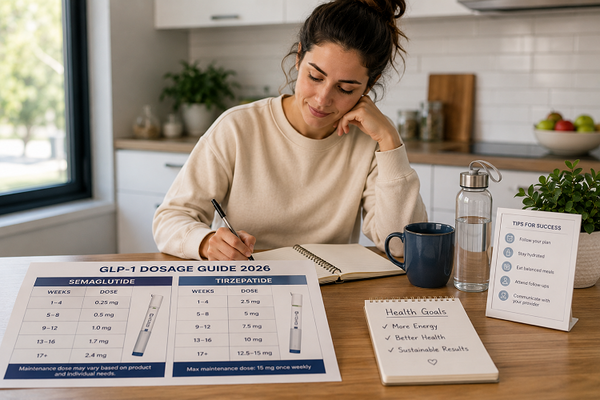
Patients generally experience the highest levels of nausea shortly after starting the medication or immediately following a dose increase. Healthcare providers use specific titration schedules, slowly increasing the medication amount over several weeks, to help your body adapt.
Most patients find that the nausea peaks within the first two days after an injection. Fortunately, this is usually a temporary phase. As your body builds a tolerance to the new hormone levels over a few weeks, the digestive side effects typically fade away completely.
Common Risk Factors for Nausea
Not everyone experiences the same level of gastrointestinal distress. Certain habits and treatment variables can significantly increase your risk of feeling unwell.
- Fast Titration: Moving up to a higher dose before your body has adjusted to the current level often overwhelms the digestive system.
- Dietary Habits: Consuming large portions, highly processed foods, or excessively sweet items can sit poorly in a slowly emptying stomach.
- Dehydration: Failing to drink enough water exacerbates nearly all gastrointestinal side effects, making existing nausea feel much worse.
Semaglutide Nausea vs. Tirzepatide Nausea
Patients often wonder if different medications produce different side effects. Semaglutide nausea is frequently reported because the drug strictly targets the GLP-1 receptor. Tirzepatide, on the other hand, acts on two receptors simultaneously: GLP-1 and GIP (glucose-dependent insulinotropic polypeptide).
Because tirzepatide spreads its action across two pathways, some clinical observations suggest it might cause slightly different gastrointestinal profiles. However, tirzepatide nausea is still highly common, particularly during the initial dose escalation phase. Your individual response will largely depend on your unique biology rather than the specific brand.
Practical Strategies to Manage Symptoms
You do not have to simply endure the discomfort. Making a few strategic adjustments to your daily routine can drastically improve your treatment experience.
- Eat smaller meals: Shift away from three large meals and opt for four to five small portions throughout the day to avoid overburdening your stomach.
- Choose low-fat foods: Fats take the longest to digest. Prioritizing lean proteins, complex carbohydrates, and low-fat options will ease the digestive burden.
- Maintain hydration: Sip clear fluids consistently throughout the day, as staying hydrated helps regulate digestion and calms the stomach lining.
Navigating Your Treatment Safely
Sometimes, lifestyle adjustments are not enough to curb the symptoms. If your nausea prevents you from eating entirely, causes vomiting, or persists for more than a few days, it may signal a need for a dose adjustment. Reviewing dosage charts with your provider can help determine if you need to return to a lower dose until your body fully acclimates.
Always prioritize your safety and overall well-being. Please consult a licensed healthcare provider if nausea persists or worsens during your GLP-1 treatment. They can provide personalized advice, prescribe anti-nausea medication if appropriate, or adjust your titration schedule to ensure your weight loss journey remains safe and sustainable.