If you are currently taking a GLP-1 receptor agonist to manage your health, you might be considering your long-term treatment plan. For many patients, the journey starts with one medication and evolves as their physical needs and medical goals shift. Switching from Ozempic to Wegovy is a common transition for individuals looking to prioritize weight management over diabetes control.
This GLP-1 switching guide will help you understand the differences between these two medications, why a doctor might recommend making the change, and how to transition safely without disrupting your routine. By the end of this article, you will know exactly what to expect and when to consult your healthcare provider.
Understanding Your GLP-1 Medications
Before making any changes to your treatment plan, it is crucial to understand the distinct purposes of the medications involved. Both Ozempic and Wegovy share the same active ingredient, semaglutide, but they are prescribed for different primary reasons.
What is Ozempic?
Ozempic is a weekly injectable medication that has become widely known in recent years. While it has gained public attention for its effects on body weight, its official medical profile is quite specific.
- Semaglutide-based: It utilizes semaglutide to mimic a natural hormone that regulates blood sugar and appetite.
- Primarily for type 2 diabetes: The FDA approved Ozempic specifically to help lower blood sugar levels in adults with type 2 diabetes.
- Off-label weight loss use: Because patients often lose weight while taking it, doctors sometimes prescribe it off-label for weight management.
What is Wegovy?
Wegovy is also a weekly injectable medication. Because it shares the same active ingredient as Ozempic, the way it works in the body is fundamentally similar. However, the regulatory approval and dosing structure are tailored for a different health outcome.
- Semaglutide-based: Like Ozempic, it relies on semaglutide to regulate appetite and food intake.
- FDA-approved for weight loss: Wegovy is specifically approved for chronic weight management in adults with obesity or overweight individuals with related health conditions.
- Higher-dose formulation: It is available in higher maximum doses compared to Ozempic to maximize weight loss results.
Key Differences: Wegovy Dosage vs Ozempic
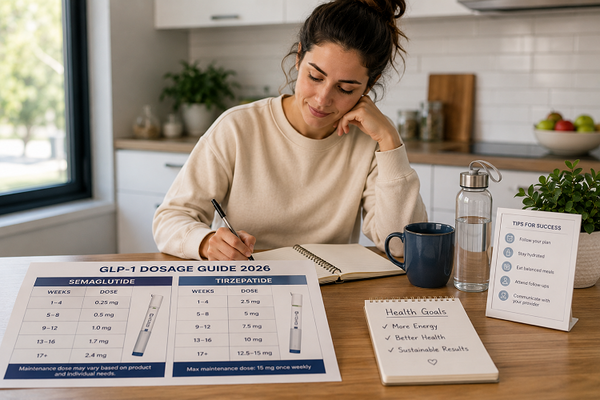
When planning a Wegovy vs Ozempic switch, the primary differences lie in the treatment goals and the dosage strengths. Ozempic caps out at a lower maximum dose because its main goal is glycemic control. Wegovy, on the other hand, steps up to a higher maintenance dose designed specifically to trigger more significant weight loss.
If you are looking at medication comparisons, you will notice that the initial starting doses are identical. The divergence happens during the later stages of dose escalation.
Why Patients Choose the Ozempic to Wegovy Switch
Patients usually transition between these two medications under the careful guidance of their prescribing physician. The decision is highly individualized and typically driven by evolving health priorities.
- Need for higher weight loss results: Patients who plateau on Ozempic may need the higher maintenance doses provided by Wegovy.
- Transitioning from diabetes-focused care: Individuals who have successfully managed their blood sugar may want to shift their medical focus entirely to weight management.
- Physician recommendation: A doctor might recommend the change based on updated clinical guidelines or insurance coverage criteria.
How to Switch Semaglutide Medications Safely
Switching from Ozempic to Wegovy requires a strategic approach. Because both medications contain semaglutide, you cannot simply take both or overlap your doses.
- No overlap between medications: You must stop taking Ozempic entirely before beginning your Wegovy regimen.
- Proper weekly timing: Take your first dose of Wegovy exactly one week (seven days) after your final dose of Ozempic.
- Doctor-guided dosage transition: Your doctor will determine which Wegovy dose you should start on based on your current Ozempic tolerance.
What to Expect After Switching
Your body is already accustomed to semaglutide, which usually makes the transition smooth. However, because Wegovy reaches higher dosage levels, you may notice some changes as your treatment progresses. You can expect stronger appetite suppression as the dosage increases. This often leads to gradual, sustained weight loss improvement over the following months. Be mindful that as you reach higher doses, you may also experience a temporary increase in side effects initially.
Managing Side Effects During the Transition
As your body adjusts to the higher semaglutide concentration in Wegovy, you might encounter mild gastrointestinal issues. Reviewing a GLP-1 side effects safety guide can help you prepare.
- Nausea: This is the most common symptom, especially in the days immediately following a dose increase.
- Digestive discomfort: You may experience bloating, constipation, or mild diarrhea as your digestion slows down.
- Appetite changes: A sudden, drastic reduction in appetite is normal, so prioritize nutrient-dense foods to stay energized.
Important Safety Considerations
Safety should always be your top priority when navigating a medication switch. Never attempt to guess your dosage or mix leftover medication pens.
- Dose escalation schedule: Follow the specific titration schedule provided by your doctor to give your body time to adapt.
- Monitoring side effects: Keep a daily log of how you feel, particularly in the first few weeks of the new medication.
- Avoiding self-adjustment: Never increase your dose on your own if you feel the medication isn't working fast enough. Always rely on a professional dosage chart.
When to Consult a Healthcare Provider
While switching from Ozempic to Wegovy is generally safe for patients already tolerating semaglutide, professional medical oversight is non-negotiable. Reach out to your doctor immediately if you experience severe side effects, such as persistent vomiting or severe abdominal pain. You should also contact your provider if you have any confusion about dosing schedules or if you have underlying medical conditions that seem to be flaring up during the transition.
Navigating a medication change does not have to be stressful. By understanding the differences and working closely with your healthcare team, you can continue your health journey with confidence and clarity.