Choosing the right medication for your health goals can feel overwhelming. With the recent surge in popularity of GLP-1 receptor agonists, many patients find themselves asking about the specific Ozempic vs Wegovy differences. Both drugs have made headlines for their significant impacts on metabolic health, but they are prescribed for entirely different primary reasons.
This comprehensive GLP-1 comparison will explain everything you need to know about these two medications. You will learn how they work, their intended uses, and how their dosages and side effects compare, helping you have a more informed conversation with your doctor.
Understanding GLP-1 Medications
GLP-1 medications are a class of drugs that mimic a natural hormone in your body called glucagon-like peptide-1. This hormone targets areas of the brain that regulate appetite and food intake.
Doctors prescribe these medications to help manage blood sugar levels and facilitate weight loss. By slowing down digestion and reducing hunger signals, patients often find it easier to maintain a healthy diet and control their caloric intake.
What is Ozempic?
Ozempic is a prescription medication primarily used to treat type 2 diabetes. It helps lower blood sugar levels by stimulating insulin release and lowering glucagon secretion when your blood sugar is high.
- It contains the active ingredient semaglutide.
- Doctors frequently prescribe it to reduce the risk of major cardiovascular events in adults with type 2 diabetes and known heart disease.
- Healthcare providers sometimes prescribe it off-label for weight loss.
What is Wegovy?
Wegovy is another prescription medication, but it is specifically FDA-approved for chronic weight management. It is designed for adults with obesity or overweight adults who also have weight-related medical problems.
- Like Ozempic, it contains the active ingredient semaglutide.
- It is formulated at a higher maximum dose specifically to maximize weight loss outcomes.
- It is meant to be used alongside a reduced-calorie diet and increased physical activity.
Key Similarities Between the Two
When looking at semaglutide Ozempic vs Wegovy, it is easy to see why people confuse them. They share a core foundation and work in the exact same way inside your body.
- Both medications contain the exact same active pharmaceutical ingredient: semaglutide.
- They share the same mechanism of action as GLP-1 receptor agonists.
- Patients administer both drugs via a once-weekly subcutaneous injection.
Wegovy vs Ozempic Differences
Despite their similarities, the core wegovy vs ozempic differences come down to FDA approval and drug concentration. The manufacturer branded and tested them for different patient populations.
- Purpose: Ozempic is officially for managing type 2 diabetes, while Wegovy is strictly for weight loss.
- Dosage Strength: Wegovy offers a higher maximum dosage compared to Ozempic.
- Approval: Insurance companies and regulatory bodies categorize them differently based on their specific FDA approvals.
Effectiveness for Weight Loss and Diabetes
Both medications are highly effective for their respective approved uses. Ozempic shines in its ability to lower A1C levels and provide steady blood sugar control for diabetic patients. Many Ozempic users also experience moderate weight loss as a secondary benefit.
When comparing Ozempic vs Wegovy weight loss specifically, Wegovy tends to produce more significant scale drops. Clinical trials for Wegovy demonstrated substantial weight reduction in non-diabetic patients, largely due to the higher maintenance dose of semaglutide used in the treatment plan.
Wegovy Dosage vs Ozempic
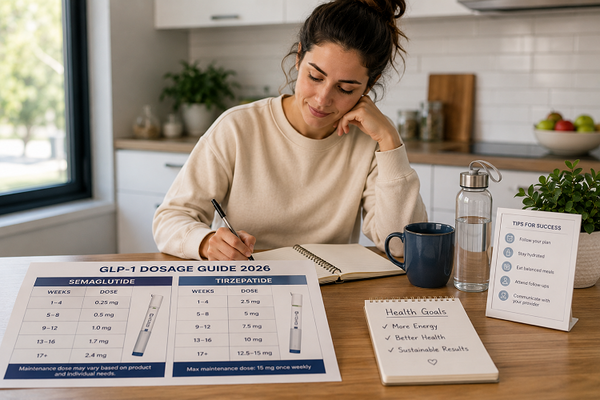
The wegovy dosage vs ozempic schedule varies, particularly as patients reach their maintenance phase. Both medications require a gradual increase in dosage to help your body adjust and minimize gastrointestinal distress.
- Starting doses: Both typically start at 0.25 mg once weekly.
- Titration schedules: Patients slowly increase the dose every four weeks based on their doctor's guidance. You can view our [dosage charts] for a visual breakdown.
- Maximum doses: Ozempic usually caps at 1.0 mg or 2.0 mg for diabetes management, whereas Wegovy escalates to a 2.4 mg maintenance dose.
Comparing the Side Effects
Because they contain the same active ingredient, the adverse reactions are nearly identical. Patients on the higher Wegovy dose may experience these effects slightly more intensely during the titration phase. For a full breakdown, read our comprehensive [GLP-1 side effects] and [safety guide].
- Nausea is the most commonly reported side effect for both medications.
- Patients frequently experience constipation or diarrhea as their digestive system slows down.
- General digestive discomfort, including bloating and gas, is normal during the first few weeks.
Cost and Insurance Coverage
Navigating pharmacy bills is often the most frustrating part of starting a new medication. Because Ozempic is an established diabetes treatment, insurance providers are more likely to cover it for patients with a documented type 2 diabetes diagnosis.
Wegovy is often more expensive out-of-pocket. Many insurance plans still exclude anti-obesity medications from their coverage. Check our other [medication comparisons] to see how pricing stacks up against different alternatives on the market.
Which Medication Should You Choose?
Your specific medical history dictates which medication is appropriate. Diabetic patients and those struggling primarily with blood sugar control should generally look toward Ozempic. The medication is tailored to keep glucose levels stable while offering cardiovascular protection.
Weight loss-focused patients without diabetes should pursue Wegovy. If your primary goal is chronic weight management, Wegovy's higher-dose semaglutide formulation is clinically proven and FDA-approved to support that exact outcome.
Always consult a licensed healthcare provider to determine whether Ozempic or Wegovy is the better option based on your personal health goals and medical condition.