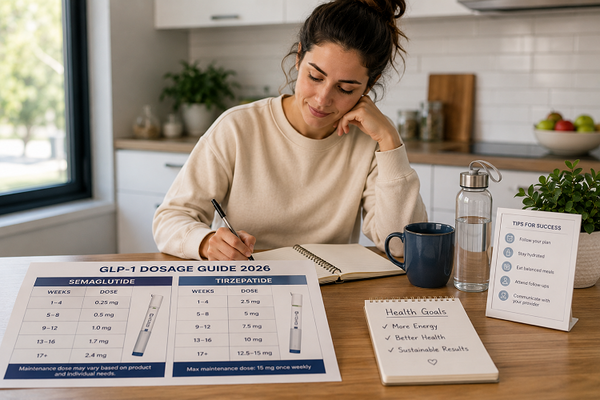
Starting a new medication for weight loss or metabolic health often comes with an adjustment period. For many patients, GLP-1 medications offer significant benefits, from improved blood sugar control to sustainable weight management. However, as your body adapts to the treatment, you might encounter some uncomfortable changes in your digestion.
One of the most frequently reported GLP-1 side effects is a noticeable slowdown in bowel movements. Understanding exactly why constipation on GLP-1 happens can help you take proactive steps to prevent it. By learning how your body processes these medications, you can manage your symptoms effectively and stay comfortable throughout your health journey.
What Are GLP-1 Medications?
GLP-1 (glucagon-like peptide-1) receptor agonists are a class of medications designed to improve metabolic health and support weight loss. Popular options include semaglutide and tirzepatide. These drugs work by mimicking a naturally occurring hormone in your body that regulates appetite and blood sugar levels.
When you take these medications, they signal to your brain that you are full, which helps reduce your overall calorie intake. They also prompt your pancreas to release insulin when blood sugar levels are high. While these functions are highly effective for managing weight and metabolic conditions, they fundamentally alter the way your digestive system operates.
Why Constipation is a Common GLP-1 Side Effect
To understand GLP-1 constipation, it helps to look at exactly how these medications interact with your gastrointestinal tract. The very mechanisms that make these drugs effective for weight loss are the same ones that can lead to digestive backup.
The Role of Slowed Gastric Emptying
One of the primary ways GLP-1 medications work is by delaying gastric emptying. This means that food leaves your stomach and moves through your digestive tract at a much slower pace than usual. Because the food remains in your intestines for a longer duration, your colon absorbs more water from the waste. This excess water absorption leaves the stool dry, hard, and difficult to pass.
How Reduced Intake Affects Digestion
As the medication reduces your appetite, you naturally eat and drink less throughout the day. This reduction in food volume means there is less bulk moving through your digestive system to stimulate regular bowel movements.
- Smaller meals create less physical pressure in the gut to trigger natural contractions.
- Drinking fewer fluids directly deprives your digestive tract of the moisture needed to keep waste soft.
- A sudden drop in daily fat and fiber intake can further stall digestive momentum.
Timeline and Risk Factors for GLP-1 Constipation
Knowing what to expect during your treatment can help you identify symptoms early. Constipation does not affect every patient equally, and certain variables can increase your likelihood of experiencing it.
When It Starts and How Long It Lasts
Digestive changes typically appear early in the treatment process. Many patients report semaglutide constipation or tirzepatide constipation within the first few weeks of starting their prescription. Symptoms also tend to flare up immediately following a dose increase. For most individuals, this side effect is temporary. As your body builds a tolerance to the medication over several weeks or months, your bowel habits often return to a more regular rhythm.
Common Risk Factors
Certain lifestyle factors and treatment phases can make you more susceptible to digestive slowdowns. Being aware of these triggers allows you to make necessary adjustments before symptoms become severe.
- Dehydration: Failing to consume adequate water makes it incredibly difficult for your colon to pass stool.
- Low fiber diet: Transitioning to smaller portion sizes often results in accidentally cutting out essential dietary fiber.
- Dose increases: Moving to a higher concentration of the medication forces your digestive system to readjust, often slowing down gastric emptying even further.
Practical Ways to Relieve Constipation
Managing constipation on GLP-1 requires a proactive approach to your daily habits. Small, consistent changes to your routine can significantly improve your digestive comfort and keep your treatment on track. For a broader overview of managing your health on these medications, refer to our comprehensive GLP-1 treatment guide.
Lifestyle and Dietary Adjustments
You do not necessarily need over-the-counter medications to find relief. Modifying your daily routine is often the most effective first line of defense against digestive discomfort.
- Increase fiber intake: Gradually add more fiber to your meals to give your stool the necessary bulk to move through your intestines.
- Stay hydrated: Drink plenty of water throughout the day to keep your digestive tract lubricated and soften waste.
- Regular physical activity: Engage in light to moderate exercise, like walking, to help stimulate the natural muscle contractions in your gut.
Foods That Promote Digestion
Choosing the right foods can make a massive difference when you are dealing with a sluggish gut. Incorporating specific, nutrient-dense items into your smaller meals ensures you get the digestive support you need without overeating.
Focus on hydrating foods like cucumbers, melons, and berries. Whole grains, chia seeds, and leafy greens are excellent sources of dietary fiber. Prunes and pears contain natural sugar alcohols that draw water into the intestines, making them highly effective for natural relief.
Managing Your Symptoms Safely
While constipation is a standard part of adjusting to GLP-1 medications, you should not have to endure severe discomfort. Tracking your bowel movements and paying attention to your body's signals will help you determine when home remedies are enough and when you need professional advice. If you are experiencing other gastrointestinal issues alongside constipation, you may also want to review our resources on managing GLP-1 nausea.
Always prioritize your safety and comfort during your metabolic health journey. If your constipation persists for more than a few days, causes significant abdominal pain, or becomes severe, please consult a licensed healthcare provider. They can safely adjust your dosage, recommend appropriate medical laxatives, or provide a personalized care plan to help you feel your best.