Starting a new medication brings up questions, especially when it affects appetite and digestion. GLP-1 medications have transformed weight management and metabolic health, offering significant benefits to many. But like any treatment, they can cause side effects ranging from mild discomfort to serious medical issues.
Understanding how your body reacts to GLP-1s is key to your long-term health. Knowing when mild discomfort is normal and when you're experiencing severe side effects ensures you stay safe while pursuing your health goals.
This guide explains the standard effects of GLP-1 treatments, the warning signs that require immediate attention, and the steps you should take if your medication might be doing more harm than good.
What Are GLP-1 Medications?
Glucagon-like peptide-1 (GLP-1) receptor agonists are medicines used for type 2 diabetes and chronic weight management. Commonly prescribed drugs include semaglutide and tirzepatide. They mimic a natural hormone that regulates blood sugar and slows down the emptying of your stomach.
By keeping food in your stomach longer, these drugs help you feel fuller and reduce cravings. This makes them effective for weight loss, but it’s also why gastrointestinal side effects are common.
Common Side Effects During Adjustment
When you start a GLP-1 or increase your dose, your body needs time to adjust. It’s normal to have some GI distress in the first phase. Symptoms typically peak within the first few days after an injection, then lessen as your body adapts.
Most reported mild side effects include:
- Mild to moderate nausea after eating
- Occasional constipation or changes in bowel habits
- Reduced appetite, making large meals unappealing
For most, these issues resolve in a few weeks and can often be managed by:
- Eating smaller, more frequent meals
- Staying hydrated
- Avoiding fatty or spicy foods
Check our nausea management strategies and constipation tips for more help in the early weeks.
Normal Adjustment vs. Serious Complications
Recognizing the line between normal adjustment and serious complications is crucial. A typical reaction could mean feeling a bit queasy after a big meal or noticing slower digestion. These symptoms are manageable—they shouldn't significantly disrupt your life.
More serious side effects actively interfere with your ability to function. If you can’t keep liquids down, or constipation persists despite your best efforts, you may be experiencing a medical issue rather than regular adjustment.
When to Stop GLP-1 Medication
Some situations make continuing GLP-1 medication a health risk. Knowing these red flags can prevent a mild complication from becoming an emergency. Consider pausing your treatment and contacting your healthcare provider if:
- You cannot tolerate any food or fluids for more than 24 hours
- Your digestive symptoms worsen continuously or do not improve
- Side effects persist or are so severe that they affect your daily life
Continuing under these circumstances can lead to dehydration, malnutrition, or other serious issues. Always put your immediate physical health first.
GLP-1 Warning Signs You Shouldn’t Ignore
Certain symptoms require emergency medical attention. If you notice any of the following, seek care right away—they may signal dangerous complications:
- Severe, continuous abdominal pain (especially spreading to your back)
- Persistent vomiting that prevents hydration
- Signs of severe dehydration, such as dizziness, confusion, or dark urine
Abdominal pain radiating to the back is a classic symptom of pancreatitis, a rare but serious risk with GLP-1 therapy. Prompt care is critical.
Semaglutide Side Effects: When to Stop
For those prescribed semaglutide, the rules for stopping are similar. Because it strongly impacts stomach emptying, watch for signs of extreme delay. If you vomit up undigested food from meals eaten a day or two earlier, you may have gastroparesis. In this case, stop your medication and contact your doctor immediately.
Tirzepatide Safety Guide
Tirzepatide acts on both GLP-1 and GIP receptors, but its safety profile largely overlaps. The main thing to monitor is your blood sugar, especially if you’re on other diabetes meds. If you experience repeated episodes of low blood sugar (sweating, shaking, rapid heartbeat, confusion), consult your doctor promptly. They may need to adjust your medication carefully—never manage severe hypoglycemia on your own.
What to Do Before You Stop Treatment
Unless you’re experiencing a severe emergency, don’t abruptly quit your medication. Suddenly stopping can cause your blood sugar to spike or your appetite to rebound rapidly, which can be jarring.
Instead:
- Contact your prescribing healthcare provider about your symptoms
- Discuss temporarily pausing or adjusting the dose
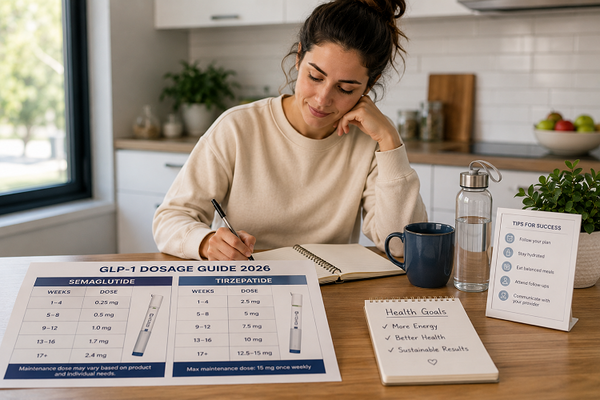
- Review our dosage chartsfor standard titration schedules
Your Healthcare Provider’s Role
Your doctor is your partner in GLP-1 treatment. Instead of complete cessation, they might suggest:
- Lowering your dose to a previously tolerated level
- Spacing out your injections
- Prescribing anti-nausea medications or other supportive therapies
Always communicate your symptoms honestly so your provider can tailor your care plan.
Navigating Your Metabolic Health Safely
GLP-1 medications can provide life-changing benefits, but safe use requires monitoring and self-awareness. By staying alert to warning signs and working closely with your healthcare team, you can maximize results and minimize risk. Listen to your body and don’t hesitate to act if something feels wrong—your health is always the top priority.