Starting a GLP-1 medication is a big step. Eventually, many patients wonder whether their current dose is still working. Knowing when to increase your GLP-1 dose is an important part of managing your treatment.
This guide outlines the main milestones and considerations for increasing your GLP-1 dose. The right dose, at the right time, can make a big difference in your results.
What Are GLP-1 Medications and How Do They Work?
GLP-1 receptor agonists are medications that mimic a natural hormone, glucagon-like peptide-1. This hormone helps regulate blood sugar, slow digestion, and signal fullness.
Two widely used GLP-1 medications are semaglutide (Ozempic, Wegovy) and tirzepatide (Mounjaro, Zepbound). Both are typically injected weekly and approved for weight loss and metabolic health.
By reducing appetite and improving insulin response, these medications often help patients achieve more consistent results than diet and exercise alone.
Why GLP-1 Treatments Use a Titration Schedule
GLP-1 medications begin at a lower dose, increasing over time through a process called titration. The digestive system needs time to adapt, and starting too high raises the chance of nausea and other side effects. Gradual dosing allows your body to adjust and helps your provider monitor your response before moving forward.
Think of titration as a careful calibration that prioritizes safety and long-term tolerability.
Typical Timeframes for Increasing GLP-1 Doses
Most titration schedules increase doses every four weeks, though timing can differ based on your medication, response, and provider’s judgment.
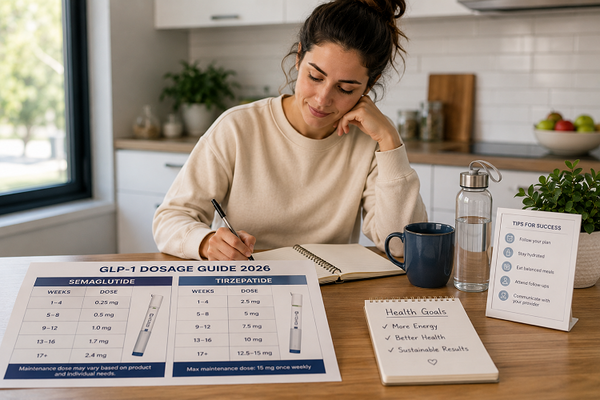
- Semaglutide (Wegovy): Starts at 0.25 mg weekly for four weeks, then increases in stages up to 2.4 mg weekly over about 16–20 weeks.
- Tirzepatide (Zepbound): Begins at 2.5 mg weekly for four weeks, with increases to as high as 15 mg weekly, depending on your needs.
Consult a [GLP-1 dosage chart](internal link) for full details about timelines for your medication.
Signs It May Be Time to Increase Your Dose
Some signs your current dose may not be enough include:
- Weight loss has stalled for four or more weeks, not explained by changes in diet or activity
- Appetite control isn’t as strong, and hunger between meals has returned
- Blood sugar levels aren’t meeting your provider’s targets
These signs don’t mean you need a higher dose right away, but are good reasons to ask your provider about next steps.
Reasons Doctors May Delay a Dose Increase
Even when the schedule suggests an increase, sometimes a delay is the safest choice. Your doctor may postpone a dose change if:
- You’re still dealing with significant side effects like nausea or fatigue
- Weight loss is progressing steadily and a higher dose may not be necessary
- Recent labs or changes in health need more monitoring
A delayed increase is a careful, medically responsible choice, not a setback.
Common Side Effects After a GLP-1 Dosage Increase
It’s normal for GI side effects to briefly return after an increase: nausea, constipation, diarrhea, and reduced appetite are common. For most, these issues improve in one to two weeks. Staying hydrated, eating smaller meals, and avoiding fatty or spicy foods can help. See our [side effects guide](internal link) for more tips.
Contact your provider if symptoms are severe or don’t improve in two weeks.
How Providers Evaluate Progress Before Increasing Doses
What Your Provider Is Looking For
Before approving a higher dose, your provider will check:
- How much weight you’ve lost since the last change
- How well your body is tolerating the current dose
- Key lab results (blood glucose, kidney function, and cholesterol)
This careful approach ensures a dose increase is safe and effective.
Differences in Dosing Adjustments: Semaglutide vs. Tirzepatide
While both drugs use titration, there are differences:
- Semaglutide: Narrower dose range (0.25–2.4 mg), smaller step increases
- Tirzepatide: Wider range (2.5–15 mg), more flexibility in dose choice
Tirzepatide acts on both GLP-1 and GIP receptors, so some patients see strong appetite suppression at lower doses and may need fewer increases. See our [titration guide](internal link) for a side-by-side table.
Safety Considerations When Adjusting Your Dose
Never increase your GLP-1 dose without medical approval. Moving too fast can make side effects worse, stress your digestive system, or cause complications.
Patients with a history of pancreatitis, thyroid problems, or kidney disease need especially close monitoring with dose changes. Always make sure your provider knows your full medical history.
Self-adjusting your dose based on internet advice is never safe.
Why Medical Supervision Is Essential
GLP-1 treatment isn’t one-size-fits-all. The best dose for you may be too high or low for someone else, depending on how your body responds.
Your provider can determine whether a plateau means you need a dose change or a different strategy. Regular check-ins are important for long-term results and catching issues early.
Getting the Most Out of Your GLP-1 Treatment
You’ll have better results if you stay engaged with your care. A few simple tips:
- Keep a weekly log of your weight, appetite, and side effects
- Don’t skip check-ins, even if you’re feeling well
- Ask your doctor directly if your current dose is still appropriate
Understanding [GLP-1 treatment costs](internal link) and knowing what to expect can also help you stick with your plan.
Take the Next Step With Your Provider
A GLP-1 dosage increase is a milestone, not something to rush. The titration process is slow for good reason, building on steady progress.
If you think it’s time to adjust your dose, book an appointment with your provider. They know your health and history best, and can help find the right path for you.
Your health and progress matter. Make sure you’re getting the right support.