Missing a dose of any medication can be unsettling, especially after establishing a routine. GLP-1 medications are no exception. If you've skipped a weekly injection or aren't sure what to do next, know that this situation is common and usually manageable.
This guide covers what happens when you miss a GLP-1 dose, steps to take based on timing, and how to get back on track.
What Are GLP-1 Medications?
GLP-1 (glucagon-like peptide-1) is a hormone from the gut that helps regulate appetite, blood sugar, and digestion. GLP-1 receptor agonists are medications that mimic this hormone.
They are most often prescribed for type 2 diabetes management and weight loss. Common GLP-1 medications include:
- Semaglutide (Ozempic, Wegovy)
- Tirzepatide (Mounjaro, Zepbound)
Both are given as subcutaneous (under the skin) injections, usually once per week on the same day.
How Weekly GLP-1 Dosing Works
Unlike daily drugs, GLP-1 injections have a long half-life, meaning the medicine stays in your body for an extended period. For instance, semaglutide’s half-life is about a week. This steady presence helps control appetite, stabilize blood sugar, and support weight management over time.
Because of their long action, missing one dose doesn’t erase your progress. It does, however, break the medication’s consistency in your system.
What Happens When You Miss a GLP-1 Dose?
When you skip a weekly injection, the medicine’s level in your bloodstream drops gradually. This can lead to:
- Hunger returning or increased appetite
- Less steady blood sugar control (especially for type 2 diabetes)
- A possible slowdown in weight loss
The impact depends on how long you’ve used GLP-1 and how much time has passed since the missed dose. Early in treatment, you might notice changes more quickly than if you’re well-established on your regimen.
What to Do If You Miss a GLP-1 Dose
Your next steps depend on time since your scheduled injection.
If It’s Been 5 Days or Fewer
If you recall your missed dose within five days of your usual injection, you can usually take it as soon as possible. Then, resume your regular weekly schedule based on your original injection day.
For example: If your injection day is Monday and you remember on Thursday, take your dose Thursday and resume your next injection on the following Monday.
Always double-check the advice in your prescription information or confirm with your pharmacist.
If More Than 5 Days Have Passed
Once more than five days have gone by, the typical advice is to skip the missed dose, do not double up. Just take the next scheduled injection on your usual day.
Taking two doses too close together increases the risk of side effects such as nausea, vomiting, and other stomach issues. These are common concerns for GLP-1 users, especially during dose adjustments.
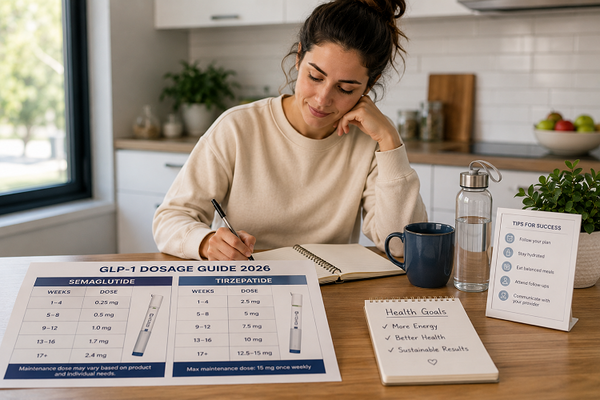
See our [GLP-1 titration schedules] for more detail on how dosing builds over time.
How Skipping Doses Affects Your Treatment
Missing a dose every once in a while is usually not a disaster, but consistency is key with GLP-1 therapy. Here’s how irregular use might affect you:
- Appetite changes: As drug levels fall, hunger suppression weakens, possibly causing cravings.
- Blood sugar swings: For those with type 2 diabetes, less consistent dosing can result in higher blood sugar.
- Weight management: Progress with GLP-1s is typically steady. Missing several doses may slow or temporarily stop weight loss.
A single missed dose is unlikely to undo your progress; however, repeatedly missing doses can make therapy less effective.
Why Consistency Matters
GLP-1 medications are most effective when you maintain a steady routine. This helps keep hormonal signaling consistent, which is important for satiety and metabolism.
Think of it like a rhythm, disrupting this rhythm, even for a short time, can lead to noticeable effects. Staying on schedule helps maximize results and keep side effects at bay.
For tips to optimize your regimen, check our [GLP-1 dosage chart] and [side effect management guide].
Tips to Remember Your Weekly Injection
A smart routine makes missed doses less likely. Here are some useful strategies:
- Set a recurring alarm or calendar reminder
- Pair your injection with a regular weekly event (like Sunday breakfast)
- Store your medication in an easy-to-spot place
Some people track injections in a journal or medication app, alongside other health info like weight or hunger levels.
When to Contact Your Healthcare Provider
While a single missed dose isn’t a cause for alarm, you should call your provider if:
- You’ve missed multiple doses and need restart guidance
- You notice big changes in blood sugar (especially if you have type 2 diabetes)
- You’re unsure about dosing after a gap
If you stop treatment for several weeks, your provider might recommend a lower restart dose to minimize side effects. This is especially likely at higher doses of semaglutide or tirzepatide.
Staying on Track With Your GLP-1 Treatment
Missing a GLP-1 dose is common, and it doesn’t have to derail your progress. The key steps: Take the missed dose within five days if possible, skip it if more than five days have passed, and never double up. Then simply go back to your usual routine.
If you find yourself missing doses often or have questions, reach out to your care team. Personalized advice helps keep your schedule safe, effective, and tailored to your goals.