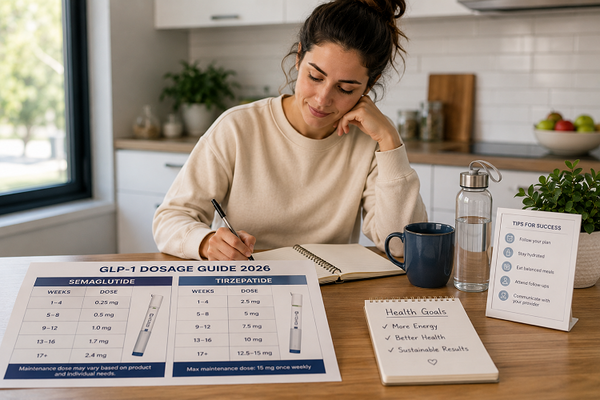
Taking a step toward better metabolic health often involves new treatments and lifestyle adjustments. GLP-1 medications are highly effective for weight loss and blood sugar control, offering life-changing benefits for many patients. However, adjusting to these medications requires careful attention to how your body responds. Knowing the GLP-1 warning signs can help you stay safe and comfortable during your treatment journey.
This comprehensive guide will walk you through the differences between standard adjustment symptoms and red flags that require immediate medical attention. By the time you finish reading, you will understand exactly what to look out for, how to protect your health, and when to contact your healthcare provider.
What Are GLP-1 Medications?
GLP-1 receptor agonists are a class of medications designed to mimic a natural hormone in your digestive system. They regulate appetite, slow digestion, and improve insulin secretion. Popular active ingredients include semaglutide and tirzepatide, both of which have gained significant attention for their profound health benefits.
While they are highly effective, altering your digestive speed and hormone levels naturally causes physical changes. Understanding how these drugs function in the body is the first step in any proper GLP-1 treatment guide. Because the medication delays gastric emptying, your stomach stays full for much longer, which is why eating large meals can trigger discomfort.
Common and Mild Side Effects
When you first start treatment or increase your dosage, your body needs time to adapt. Most patients experience a few mild symptoms that resolve on their own as their system adjusts to the new hormone levels.
- Nausea is the most frequent complaint but usually fades within a few weeks. (Check our guide on nausea management for helpful remedies).
- Constipation occurs because the medication slows down your digestive tract. (Read our constipation tips for dietary adjustments and hydration advice).
- A significantly reduced appetite is an expected outcome and serves as the primary mechanism for weight loss.
Normal Side Effects vs. Warning Signs
It is completely normal to feel a bit unsettled after your first few injections. Mild stomach discomfort, occasional loose stools, or brief waves of morning nausea are standard side effects that usually do not require medical intervention.
However, warning signs while taking GLP-1 are distinctly different. They are typically severe, persistent, and actively disrupt your daily functioning. Recognizing the boundary between a standard, temporary side effect and a true warning sign is critical for your long-term safety and treatment success.
Key Warning Signs While Taking GLP-1
Some symptoms indicate that your body is struggling to process the medication or that the dosage is too high. If you experience these specific issues, you should pay close attention and prepare to contact a medical professional.
- Persistent vomiting that lasts for more than a day and prevents you from digesting any food.
- An absolute inability to keep any fluids down, leading to a high risk of dehydration.
- Severe or worsening abdominal pain that does not improve with time or rest.
Signs of Serious Complications
In rare cases, patients may develop severe medical conditions that require immediate emergency care. A critical semaglutide side effects warning involves the pancreas and the digestive system. Watch closely for these GLP-1 side effects serious enough to warrant an emergency room visit.
- Symptoms of pancreatitis, characterized by intense, stabbing abdominal pain that radiates to your back.
- Severe dehydration, which presents as extreme dizziness, confusion, rapid heart rate, and dark-colored urine.
- Prolonged constipation accompanied by severe bloating and abdominal rigidity, which could indicate a dangerous bowel obstruction.
Blood Sugar-Related Warning Signs
For patients using these medications to manage type 2 diabetes, blood sugar levels can sometimes drop dangerously low. This condition is known as hypoglycemia. While GLP-1 medications are specifically designed to prevent low blood sugar, combining them with other diabetes medications significantly increases the risk.
- Sudden sweating, uncontrollable shaking, or a noticeably rapid heartbeat.
- Unexpected confusion, sudden irritability, or severe dizziness.
- Extreme hunger paired with blurred vision or physical weakness.
How Long Should Symptoms Last?
Mild symptoms typically peak within the first two to three days after an injection and gradually subside as the week progresses. If you are experiencing mild nausea or minor stomach cramps, these issues should naturally resolve as your body gets used to the medication dosage.
If symptoms like vomiting or severe pain last for more than 48 hours, this is a clear signal that something is wrong. Prolonged symptoms can quickly lead to dehydration, kidney stress, and other cascading health complications that require medical treatment.
What to Do If Warning Signs Appear
Taking immediate action can prevent a mild complication from escalating into a medical emergency. Do not attempt to push through severe pain or persistent vomiting under the assumption that it will simply pass.
- Pause your medication immediately if advised by your healthcare team, and review our guidelines on when to stop GLP-1 medication.
- Seek immediate medical attention for radiating back pain, sudden confusion, or an inability to retain any liquids.
- Avoid self-treating severe symptoms with over-the-counter pain relievers or laxatives without professional medical guidance.
Preventive Steps to Reduce Risks
Proactive habits can significantly reduce your chances of experiencing severe adverse reactions. Following a proper tirzepatide safety guide or general GLP-1 protocol ensures a much smoother and safer treatment experience.
- Maintain proper hydration by drinking small, frequent sips of water or electrolyte beverages throughout the entire day.
- Ensure your doctor follows a gradual dose adjustment schedule, slowly increasing the medication over a period of several months.
- Monitor your symptoms regularly and keep a daily log to share with your healthcare provider during check-ups.
Staying Safe on Your Treatment Journey
Starting a new medication is a major step toward achieving your long-term health and metabolic goals. By staying vigilant and monitoring for warning signs, you protect your body from unnecessary harm. Always maintain open, honest communication with your healthcare provider regarding how you feel physically. If you ever feel uncertain about a symptom, reaching out for professional medical advice is always the smartest and safest choice.