The monthly cost of tirzepatide ranges from roughly $900 to $1,300 without insurance for brand-name versions like Mounjaro or Zepbound. Compounded options may cost less. Actual pricing depends on your dosage, pharmacy, insurance status, and whether you qualify for a manufacturer savings program.
What Is Tirzepatide?
Tirzepatide is a dual GIP/GLP-1 receptor agonist, an injectable medication that targets two hormonal pathways involved in blood sugar regulation and appetite control. Developed by Eli Lilly, it was first approved to treat type 2 diabetes as Mounjaro. The FDA later approved Zepbound for chronic weight management.
Unlike older GLP-1 medications, tirzepatide activates both the GIP and GLP-1 receptors simultaneously, producing significant weight reductions in clinical trials. It is given as a once-weekly injection, started at a low dose and increased gradually under physician supervision.
Average Tirzepatide Price Per Month
Without insurance, brand-name tirzepatide typically costs $900 to $1,300 per month, varying by dosage strength. Compounded tirzepatide from licensed pharmacies may range from $200 to $600 per month, though it is not FDA-approved. Provider fees and follow-up visits can add to your total and should be factored into your budget.
Why Is Tirzepatide So Expensive?
The price reflects Eli Lilly's substantial R&D and clinical trial investment. Patent protections limit competition, and with no generic currently available, pricing pressure is minimal. High demand since Zepbound's approval for weight loss has also contributed to elevated costs and intermittent pharmacy shortages.
Tirzepatide Cost With Insurance vs. Without
Coverage depends heavily on your diagnosis and insurer. Mounjaro is more commonly covered for type 2 diabetes; Zepbound's weight loss coverage is growing but inconsistent. When covered, patients may pay $25 to $150 per month. Many plans still classify GLP-1 weight loss medications as elective and exclude them entirely. Without insurance, patients pay full retail price, making savings programs and compounding pharmacies worth exploring.
Factors That Affect Your Monthly Cost
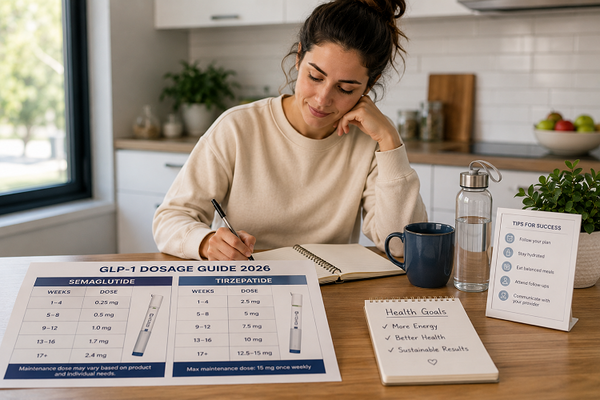
- Dosage strength: Higher doses cost more. Prices typically rise as treatment progresses from 2.5 mg to 15 mg.
- Brand vs. compounded: Mounjaro and Zepbound carry brand-name pricing. Licensed compounding pharmacies may offer lower-cost alternatives.
- Pharmacy: Retail prices vary. Comparing multiple pharmacies, including mail-order, can reveal meaningful differences.
- Insurance coverage: Whether your plan covers tirzepatide, and for which indication, significantly affects out-of-pocket costs.
- Provider fees: Some physician-supervised programs bundle medication, consultations, and monitoring into a single monthly fee.
Ways to Save on Tirzepatide
- Eli Lilly's savings cards: Eligible commercially insured patients may pay as low as $25 per month for Mounjaro or Zepbound. Verify eligibility directly with Lilly.
- Patient assistance programs: Qualifying patients may receive medication at no cost. Your physician's office can help with the application.
- Licensed compounding pharmacies: When brand-name tirzepatide is cost-prohibitive, a physician may prescribe compounded tirzepatide through an FDA-registered pharmacy. Always verify credentials before purchasing.
Avoid unverified online sellers. Counterfeit or improperly compounded medications pose serious health risks.
Is Tirzepatide Worth the Cost?
For many patients, the outcomes justify the expense. In the SURMOUNT-1 trial, participants lost an average of 20.9% of body weight over 72 weeks, results that rival some surgical interventions. That level of weight loss can meaningfully reduce risk for type 2 diabetes, hypertension, and cardiovascular disease, potentially lowering long-term healthcare costs.
Still, tirzepatide isn't right for every patient or budget. Talk with your physician about your goals, health history, and finances to determine if it's the right fit.
Safety and Physician Supervision
Tirzepatide requires a valid prescription and close medical oversight. Common side effects include nausea, vomiting, diarrhea, and constipation, especially during dose escalation. Rarer risks include pancreatitis and gallbladder complications. Regular follow-up allows your provider to monitor progress, adjust dosage, and manage side effects safely.
Taking the Next Step
Tirzepatide's monthly cost is significant, but understanding how dosage, insurance, pharmacy choice, and savings programs interact can make treatment more accessible. Speak with a physician who specializes in metabolic health, they can assess your eligibility, review your coverage, and help build a plan that fits both your health goals and your budget.
Frequently Asked Questions
How much does tirzepatide cost without insurance?
Brand-name tirzepatide typically costs $900–$1,300 per month without insurance. Compounded options may be less expensive but are not FDA-approved. Provider fees may also apply.
Does insurance cover tirzepatide?
It depends on your insurer and indication. Mounjaro is more often covered for type 2 diabetes; Zepbound coverage for weight loss varies. Contact your insurer to confirm your plan's current terms.
Are there ways to reduce monthly costs?
Yes. Lilly's savings cards can significantly reduce costs for eligible insured patients. Patient assistance programs are available for qualifying individuals. A physician may also prescribe compounded tirzepatide through a licensed pharmacy. Always verify pharmacy credentials before purchasing.