Starting semaglutide treatment often comes with one recurring question: how does the semaglutide titration schedule actually work? Whether you're using semaglutide for weight loss or blood sugar management, understanding the dosing process can help you feel more prepared.
This guide breaks down the standard titration process, what to expect at each stage, and why physician guidance matters throughout treatment.
What Is Semaglutide?
Semaglutide is a GLP-1 medication that mimics a hormone involved in appetite regulation and blood sugar control. It's approved for use in both semaglutide for type 2 diabetes management and semaglutide for weight loss, depending on the specific product and dosing.
Treatment typically involves a weekly semaglutide injection, administered as part of a broader care plan. This plan often includes lifestyle guidance and regular check-ins with a healthcare provider.
What Is a Semaglutide Titration Schedule?
A semaglutide titration schedule refers to the gradual, step-by-step process of increasing your dose over time. Rather than starting at a full treatment dose, patients begin low and increase incrementally under medical supervision.
This approach is a standard part of GLP-1 titration across most medications in this class. It allows the body to adjust gradually rather than facing the full effect of the medication all at once.
Why Dose Escalation Is Important
Semaglutide dose escalation exists primarily to improve tolerability. Starting at a higher dose right away often leads to more intense digestive side effects, particularly nausea.
By increasing the dose slowly, your provider can monitor how your body responds at each stage. This step-by-step process also gives your care team a chance to catch and address any concerns early, before moving to a higher dose.
Standard Semaglutide Dosing Schedule
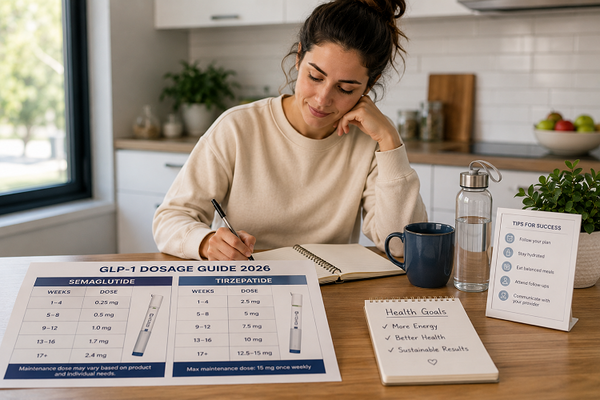
The general semaglutide dosing schedule follows a structured pattern, though exact timing can vary by product and individual response. A commonly referenced version includes the following stages.
- Weeks 1–4: 0.25 mg once weekly (starting dose)
- Weeks 5–8: 0.5 mg once weekly
- Weeks 9–12: 1 mg once weekly, if prescribed
Beyond this point, higher maintenance dose levels may be introduced based on physician evaluation and the specific semaglutide product being used. Not every patient follows the exact same path, and your provider will determine what's appropriate for your treatment goals.
Why the Schedule May Vary
Some patients need more time at a particular dose before progressing further. Your provider may extend a phase of the schedule based on side effects, treatment response, or other health considerations.
What Happens If Side Effects Occur During Titration
It's common to experience mild side effects as your dose increases. If this happens, your provider may recommend staying at your current dose longer before moving forward, rather than pushing ahead on the standard timeline.
A slower titration pace is often a reasonable adjustment, particularly for patients experiencing nausea or digestive discomfort. This decision should always be made in consultation with your provider, not on your own.
What to Do If You Miss a Dose
Missing a weekly semaglutide injection is fairly common, especially in the early weeks of treatment. Depending on how much time has passed, your provider may advise taking the missed dose promptly or waiting until your next scheduled injection.
You should never double a dose to make up for a missed one without direct guidance from your provider. If you're unsure what to do, contact your care team before taking any action.
Common Side Effects During Dose Increases
Semaglutide side effects tend to be most noticeable right after a dose increase, as the body adjusts to the new level. For many patients, these effects ease over the following days or weeks.
Frequently reported side effects include:
- Nausea or general stomach discomfort
- Reduced appetite or early fullness
- Occasional constipation or diarrhea
Persistent or severe side effects should always be reported to your provider promptly.
Why Physician Supervision Is Essential
Physician-supervised weight loss and diabetes treatment ensures that dosing decisions are based on your individual health profile, not a generic template. A provider can identify when to hold a dose steady, when to progress, and when a different approach may be needed.
This oversight is a core part of safe semaglutide treatment, particularly during the titration phase when the body is still adjusting. Never attempt to increase, decrease, skip, or restart your dose without medical guidance.
Tips for a Successful Titration Journey
A few simple habits can support a smoother experience with GLP-1 therapy. Consider the following:
- Track your weekly dose and any side effects in a simple log
- Stay in close communication with your provider, especially after dose changes
- Give your body time to adjust before assuming a dose isn't working
These habits help your care team fine-tune your plan and respond quickly if adjustments are needed.
Frequently Asked Questions
How long does the semaglutide titration schedule typically take? Many patients reach a maintenance dose within three to four months, though the exact timeline depends on individual response and provider guidance.
Can I speed up my titration schedule if I'm not experiencing side effects? No. Dose changes should only be made by a licensed healthcare provider, even if you're tolerating the medication well.
What if I need to stay on a lower dose longer than expected? This is common and not necessarily a sign of a problem. Your provider may keep you at a specific dose longer based on side effects or treatment response.
Final Guidance and Next Steps
Understanding the semaglutide titration schedule can help you feel more confident as you begin treatment, but it's not a substitute for personalized medical care. Every patient's path through dose escalation looks a little different.
Before starting or adjusting semaglutide treatment, consult a licensed healthcare provider who can build a titration plan suited to your specific health needs and treatment goals.