If you're researching GLP-1 treatment, you've likely come across two very different terms: compounded and FDA-approved. Understanding compounded GLP-1 vs FDA approved options is essential before starting any weight management program.
Both categories can play a role in patient care, but they differ significantly in how they're made, regulated, and prescribed. Here's what you need to know before discussing options with your doctor.
What Are GLP-1 Medications?
GLP-1 medications work by mimicking a hormone that helps regulate appetite and blood sugar. They're commonly used for type 2 diabetes management and, increasingly, for weight loss support.
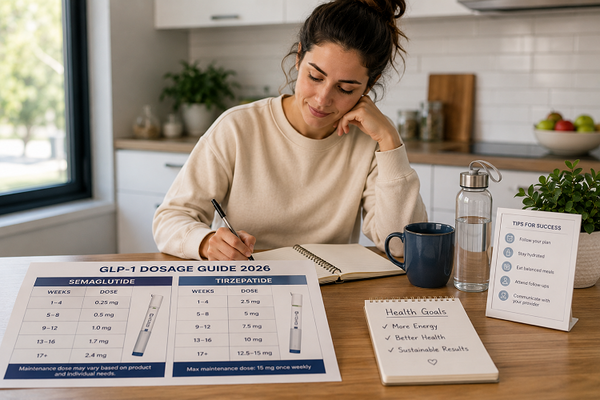
Semaglutide and tirzepatide are two of the most widely recognized GLP-1 medications. Both are typically part of a broader physician-supervised weight loss approach that includes lifestyle guidance and regular monitoring.
What Are FDA-Approved GLP-1 Medications?
FDA-approved GLP-1 medications go through a rigorous review process before reaching the market. This includes clinical trials that evaluate safety, effectiveness, and manufacturing consistency.
These products are manufactured in standardized doses by pharmaceutical companies under strict federal oversight. Because of this, every dose of an FDA-approved weight loss medication is expected to be consistent from one prescription to the next.
What Are Compounded GLP-1 Medications?
Compounded GLP-1 medications are prepared by a licensed compounding pharmacy, often to address specific patient needs or supply limitations. Compounding involves mixing or altering ingredients to create a customized formulation.
Compounded medications aren't individually reviewed and approved by the FDA in the same way brand-name drugs are. Instead, compounding pharmacies operate under separate state and federal regulations specific to pharmacy practice.
Why Compounding Exists
Pharmacy compounding has long been used in medicine to fill gaps, such as during medication shortages or when a patient needs a formulation adjustment. It's not unique to GLP-1 medications, but it has become more visible as demand for these treatments has grown.
Compounded GLP-1 vs FDA Approved: Key Differences
When comparing semaglutide compounded vs FDA approved options, a few key distinctions stand out:
- Regulatory review: FDA-approved medications undergo full clinical trial review; compounded versions do not.
- Manufacturing source: Brand-name drugs come from approved pharmaceutical manufacturers, while compounded versions come from licensed compounding pharmacies.
- Formulation consistency: FDA-approved products maintain a fixed, tested formula, while compounded medications may vary based on pharmacy practices.
Similar distinctions apply when looking at tirzepatide compounded products versus their brand-name counterparts.
Safety, Quality, and Regulatory Considerations
Safety oversight differs meaningfully between these two categories. FDA-approved medications are monitored continuously after approval, including reporting systems for side effects.
Compounded medications are regulated at the pharmacy level, meaning oversight depends heavily on the specific compounding pharmacy's practices and accreditation. Patients considering GLP-1 treatment through a compounded product should confirm that the pharmacy involved is properly licensed and follows recognized quality standards.
What to Look for in a Compounding Pharmacy
- State licensing and good standing
- Accreditation from a recognized pharmacy oversight body
- Transparent sourcing of active ingredients
When Might a Healthcare Provider Recommend a Compounded Option?
A licensed healthcare provider may consider a compounded option during periods of limited brand-name supply. In some cases, a compounded formulation may also be used to adjust dosing in ways not available with standard products.
This decision should always come from a clinician who understands your medical history, not from a marketing offer. Compounded medications are a clinical decision, not a default choice.
Questions to Ask Before Choosing a GLP-1 Medication
Before starting treatment, patients should ask their provider a few important questions:
- Is this medication FDA-approved, or is it compounded?
- If compounded, which pharmacy prepares it, and are they licensed and accredited?
- What monitoring or follow-up will be part of my treatment plan?
Clear answers to these questions help ensure informed decision-making.
Frequently Asked Questions
Is compounded GLP-1 medication safe? Safety depends on the specific compounding pharmacy's licensing and quality practices. A licensed healthcare provider can help evaluate whether a compounded option is appropriate for your situation.
Why would someone choose a compounded GLP-1 medication over an FDA-approved one? Some patients turn to compounded options during supply shortages of brand-name medications or when a specific dosage adjustment is medically necessary. This decision should always involve a licensed clinician.
Are compounded and FDA-approved GLP-1 medications equally effective? Effectiveness can vary based on formulation, dosing, and individual patient response. Only a healthcare provider can assess which option aligns with your specific health needs.
Conclusion
Choosing between compounded GLP-1 vs FDA approved medications isn't a decision to make based on convenience or cost alone. Each option comes with different regulatory oversight, manufacturing standards, and considerations for safety.
Before starting semaglutide, tirzepatide, or any other GLP-1 medication, speak with a licensed healthcare provider who can review your medical history and help you choose the option that best fits your needs.