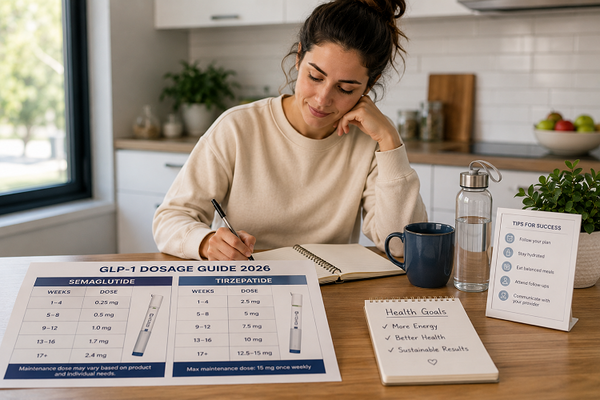
If you're researching how to switch from semaglutide to tirzepatide, you're likely weighing whether a change in medication might better support your treatment goals. Some patients consider this switch for weight-loss reasons, others for blood sugar management, and some simply because their current medication isn't working the way they'd hoped.
Whatever the reason, this kind of transition should always happen under the guidance of a licensed healthcare provider. This article walks through what the process generally looks like, without offering personalized medical advice.
Why Patients Switch From Semaglutide to Tirzepatide
There are several reasons switching from semaglutide to tirzepatide comes up in conversations between patients and their providers. Understanding these reasons can help clarify whether this transition might be worth discussing with your own care team.
Common reasons include:
- Interest in greater weight-loss potential, since tirzepatide works on two hormone pathways instead of one
- A weaker-than-expected response to semaglutide despite consistent use
- A need for improved blood sugar control in patients managing type 2 diabetes
- Side effects with semaglutide that a provider believes tirzepatide may manage differently
- A direct physician recommendation based on clinical evaluation
- Changes in insurance coverage or medication availability
None of these reasons guarantee that switching is the right move for every patient. That determination depends on an individual evaluation.
Can You Switch Safely?
Many patients can transition between these medications safely, but this isn't a decision to make independently. A semaglutide to tirzepatide transition requires a full evaluation by a licensed healthcare provider first.
This evaluation typically includes a review of your medical history, your current semaglutide dosage, any existing health conditions, and other medications you're taking. These factors all influence whether switching makes sense and how the transition should be approached.
When Should You Start Tirzepatide After Stopping Semaglutide?
Timing for a GLP-1 medication switch varies from patient to patient, and there's no universal answer that applies across the board. Your provider will consider your specific dosage history and response to semaglutide before recommending next steps.
In some cases, a brief washout period may be recommended before starting tirzepatide, allowing semaglutide to clear the body first. In others, a provider may plan a more direct transition. This decision should always come from individualized treatment planning, not a fixed formula.
How the Transition Usually Works
While the specifics vary by patient, the general process for tirzepatide after semaglutide typically follows a similar structure.
A provider will begin with a medical assessment, reviewing your current semaglutide dose and overall treatment response. From there, they'll determine an appropriate introductory dose for tirzepatide based on your individual situation, followed by gradual tirzepatide dosing increases over time.
Regular follow-up appointments are a standard part of this process, allowing your provider to monitor progress and adjust the plan as needed. This article doesn't provide individualized dosing instructions, since that decision belongs to your care team.
Possible Side Effects During the Transition
Switching medications can come with a temporary adjustment period, similar to what many patients experience when starting semaglutide treatment for the first time. Side effects tend to be digestive in nature and often ease as the body adapts.
Commonly reported effects during this period include:
- Nausea
- Constipation or diarrhea
- Reduced appetite
- Fatigue
These symptoms are usually temporary, but any side effects that persist or worsen should be reported to your provider rather than managed independently.
Tips for a Smoother Transition
A few practical habits can help support a more comfortable transition between medications. These aren't a substitute for medical guidance, but they can complement your provider's instructions.
- Stay well hydrated throughout the transition period
- Eat smaller, more frequent meals if digestive symptoms arise
- Follow your provider's dosing instructions exactly as given
- Keep all scheduled follow-up appointments
- Report persistent or severe side effects promptly
- Avoid adjusting your medication or dose on your own
Who May Need Extra Monitoring?
Certain patients may require closer supervision during a weight loss medication transition like this one. Your provider will factor these considerations into your specific plan.
Groups that may need additional monitoring include:
- Patients with type 2 diabetes, due to blood sugar considerations
- Individuals with kidney disease
- Those with gastrointestinal disorders
- Patients taking multiple medications
- Older adults, who may be more sensitive to medication changes
If you fall into one of these categories, your provider will likely build in more frequent check-ins during the transition.
Final Thoughts
Understanding how to switch from semaglutide to tirzepatide can help you feel more prepared for a conversation with your provider, but it isn't a substitute for individualized care. Comparing semaglutide vs tirzepatide involves several personal health factors that only a licensed clinician can properly evaluate.
If you're considering this change, bring your questions directly to your provider rather than making adjustments on your own.
Frequently Asked Questions
Can I switch from semaglutide to tirzepatide immediately? Not necessarily. Timing depends on your current dose, treatment history, and your provider's clinical judgment, which is why this decision requires professional evaluation.
Do I need to stop semaglutide before starting tirzepatide? This depends on your individual situation. Some providers recommend a washout period, while others may plan a more direct transition based on your specific health profile.
Is tirzepatide stronger than semaglutide? Tirzepatide works on two hormone pathways instead of one, and some patients experience different results compared to semaglutide. However, individual response varies, and neither medication is guaranteed to work the same way for every patient.
Before making any changes to your GLP-1 weight loss medication, speak with a licensed healthcare provider who can evaluate your health history and guide you through a safe, physician supervised weight loss transition.