Starting a new weight loss or metabolic health journey can be highly rewarding, but it often requires some physical adjustments. Medications like semaglutide and tirzepatide are highly effective, yet they frequently bring about digestive changes. If you are experiencing digestive slowdowns, you are not alone.
Understanding how your body reacts to these treatments is the first step toward feeling better. By making a few targeted adjustments to your daily routine, you can comfortably manage your symptoms and stay focused on your health goals. This article provides essential GLP-1 constipation tips to help you maintain regular digestion and optimize your overall treatment experience.
How GLP-1 Medications Affect Digestion
GLP-1 receptor agonists work by mimicking a natural hormone in your body that regulates blood sugar and appetite. Medications like semaglutide and tirzepatide effectively reduce hunger by slowing down gastric emptying. This means food stays in your stomach longer, helping you feel full for extended periods.
While this mechanism is excellent for weight management and metabolic control, it directly alters your normal digestive rhythm. The slower transit time through the gastrointestinal tract allows the intestines to absorb more water from your stool. Consequently, the stool can become harder and more difficult to pass.
Why Constipation is a Common Side Effect
Experiencing changes in bowel habits is one of the most frequently reported GLP-1 side effects. Because the medication inherently slows down your digestive system, your bowel movements will naturally decrease in frequency.
Additionally, as the medication suppresses your appetite, you will likely consume less food. A reduced food intake means less waste material is generated to form a stool. When you combine a smaller volume of food with a slower digestive process, the result is often a sluggish bowel.
When Does Constipation Typically Occur?
Digestive issues do not happen constantly for everyone. Patients typically notice an onset of constipation during specific phases of their treatment plan.
- Starting the medication: Your body needs time to adjust to the new hormonal signals during the first few weeks.
- Dose increases: Stepping up your dosage can temporarily intensify side effects as your digestive system adapts to the higher concentration.
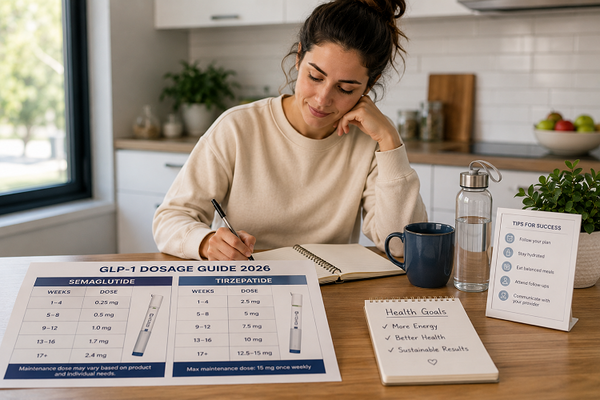
- Internal Link Opportunity: See our [dosage charts] and guide to [nausea] for more information on managing side effects during dose adjustments.
Risk Factors for GLP-1 Constipation
Certain habits and physiological factors can increase your likelihood of developing severe constipation while taking these medications. Being aware of these triggers can aid in semaglutide constipation prevention.
A diet low in dietary fiber is a primary culprit. Fiber adds necessary bulk to the stool and helps it move smoothly through the colon. Dehydration is another major risk factor; without adequate fluid, your body will pull moisture from the colon, resulting in hard stools. Finally, leading a highly sedentary lifestyle can further slow down a digestive tract that is already delayed by medication.
Practical GLP-1 Constipation Tips
You can actively prevent constipation GLP-1 issues by implementing a few simple daily habits. Consistency is key to keeping your digestive system moving smoothly.
- Increase daily fiber intake: Aim for a steady intake of fiber to help bulk up your stool.
- Drink enough water: Hydration is critical to keeping the digestive tract lubricated.
- Stay physically active: Regular movement stimulates the muscles in your intestines.
Best Foods to Support Gut Health
Eating the right foods is a cornerstone of any successful GLP-1 treatment guide. Focus on incorporating natural, whole foods that support regular bowel movements.
- Fruits: Berries, apples (with skin), and pears provide excellent sources of soluble and insoluble fiber.
- Vegetables: Leafy greens, broccoli, and carrots add essential bulk to your diet.
- Whole Grains: Oats, quinoa, and whole-wheat products promote healthy digestion and sustained energy.
Lifestyle Habits for Better Digestion
Beyond diet and exercise, your overall daily routine plays a significant role in gut health. Managing your stress levels is important, as high stress can negatively impact bowel motility. Practice relaxation techniques like deep breathing or yoga to keep your nervous system calm.
Establishing a regular bathroom routine can also train your body to be more predictable. Try to use the restroom at the same time each day, such as shortly after your morning meal, to take advantage of the body's natural digestive reflexes.
Considering Supplements for Relief
If dietary changes and hydration are not providing enough relief, you might need to explore additional options. Always discuss these with a healthcare professional before adding them to your routine to ensure tirzepatide constipation relief is achieved safely.
- Fiber supplements: Products containing psyllium husk can help add necessary bulk if your diet falls short.
- Magnesium: Certain forms of magnesium can draw water into the intestines, softening the stool.
- Stool softeners: Over-the-counter gentle softeners may provide temporary relief during dose adjustments.
Warning Signs of Severe Constipation
While mild constipation is a normal adjustment, it is vital to recognize when the issue becomes serious. Do not ignore symptoms that disrupt your daily life or cause significant distress.
Watch for signs such as severe abdominal pain, painful bloating, or nausea that leads to vomiting. If you notice any bleeding during a bowel movement or if you go several days without passing any stool, these are red flags. Such symptoms require immediate medical evaluation to rule out a bowel obstruction or other complications.
When to Contact Your Healthcare Provider
Your health and safety should always be the top priority. If you have tried basic lifestyle adjustments and are still struggling with uncomfortable digestive side effects, it is time to seek professional advice. Do not wait for symptoms to become unbearable before asking for help.
If constipation persists or worsens during your GLP-1 treatment, consult a licensed healthcare provider. They can offer personalized medical advice, adjust your medication dosage, or prescribe safe treatments to help restore your digestive health.