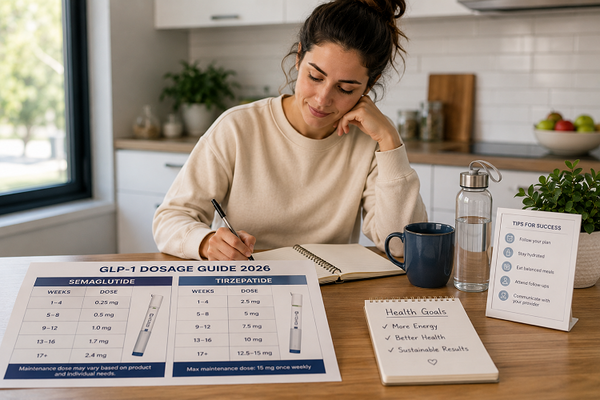
GLP-1 medications like semaglutide and tirzepatide have transformed how clinicians approach weight loss. Alongside that shift, a new question has emerged for patients: should you pursue treatment through a subscription weight loss program or visit a traditional medical weight loss clinic?
Both paths can lead to real results, but they differ significantly in cost, convenience, and the level of medical support provided. Understanding these differences can help you make a more confident, informed decision about your care.
What Are Subscription-Based Weight Loss Programs?
Subscription weight loss programs are telehealth platforms that connect patients with licensed providers online. After completing a virtual consultation, eligible patients receive a prescription for GLP-1 medications, typically semaglutide or tirzepatide, delivered directly to their door.
These programs are designed for accessibility. You can get started from your home, avoid waiting rooms, and manage your treatment through a mobile app or patient portal. For many patients, this removes a significant barrier to starting care.
How Telehealth GLP-1 Programs Work
The process typically begins with an online intake form covering your health history, current medications, and weight loss goals. A licensed provider then reviews your information and, if appropriate, issues a prescription.
Medications are dispensed through compounding pharmacies or retail partners and shipped to your home. Ongoing care is usually managed through messaging platforms or scheduled virtual check-ins, depending on the program.
- Initial consultation is completed entirely online
- Prescriptions are fulfilled and shipped directly to patients
- Follow-up care varies by provider, some offer regular check-ins, others rely on patient-initiated contact
What Traditional Medical Weight Loss Clinics Offer
Traditional clinics provide in-person care led by physicians, nurse practitioners, or registered dietitians. These settings allow for comprehensive metabolic evaluations, lab testing, and hands-on monitoring throughout the treatment process.
Patients visiting traditional clinics often receive a more structured program, with appointments scheduled at regular intervals to track progress and adjust treatment. This model is particularly valuable for patients with complex medical histories or multiple chronic conditions.
Comparing Program Costs
Subscription programs typically range from $200 to $500 per month, covering medication and access to the platform. Some programs bundle consultations into the monthly fee, while others charge separately. For a full breakdown, see our [GLP-1 program costs guide].
Traditional clinics vary more widely. Initial consultations may cost $150–$400, with follow-up visits ranging from $75 to $200 each. Lab work, metabolic testing, and dietary counseling are often billed separately. Depending on your insurance coverage, some of these costs may be partially reimbursed.
Key Differences Between the Two Models
Convenience and Accessibility
Subscription programs eliminate travel and long wait times, a meaningful advantage for patients in rural areas or those with demanding schedules. Traditional clinics require in-person visits, which some patients find more structured and motivating.
Medical Supervision and Monitoring
In-person clinics offer direct access to lab testing, physical assessments, and real-time clinical judgment. Telehealth programs rely on patient self-reporting, which may not capture changes that warrant a treatment adjustment.
Treatment Customization and Pricing Transparency
Traditional clinics can tailor dosing and treatment plans based on ongoing clinical data. Subscription programs follow standardized protocols that work well for many patients but may not accommodate complex cases. Always review what's included in a subscription fee, some programs charge extra for dosage changes or urgent consultations.
Who Benefits Most From Subscription Programs
Telehealth GLP-1 programs tend to work well for:
- Adults who are otherwise healthy and have no significant comorbidities
- Patients who have difficulty accessing in-person care due to location or schedule
- Those who prefer a self-directed approach to managing their health
If you're new to GLP-1 treatment and want to explore your options, our [semaglutide cost guide] and [tirzepatide cost guide] can help you estimate what to expect.
Who Benefits Most From Traditional Clinics
In-person care is generally better suited for:
- Patients with Type 2 diabetes, cardiovascular disease, or kidney conditions
- Those who have not responded to prior weight loss treatments
- Patients who prefer close, ongoing clinical support and accountability
Safety Considerations and the Role of Physician Oversight
GLP-1 medications are effective, but they carry real risks, including nausea, pancreatitis, and thyroid concerns, that require careful monitoring. Both models should involve a licensed provider, but the depth of oversight differs.
Physician oversight matters most during dose escalation, when side effects are most likely to appear. In a traditional clinic, a provider can observe and respond to these changes directly. In a subscription model, patients must proactively report symptoms, which requires a higher level of health literacy and self-awareness.
Before starting any GLP-1 treatment program, confirm that a licensed medical provider will review your health history, remain available for follow-up, and supervise your dosing progression. See our [GLP-1 dosage guide] for more on what a safe titration schedule looks like.
Making the Right Choice for Your Health
There is no single answer that works for every patient. Subscription weight loss programs offer genuine convenience and affordability for the right candidates. Traditional medical weight loss clinics provide deeper clinical oversight that some patients genuinely need.
The most important step you can take is consulting a licensed healthcare provider who can evaluate your full medical history, explain your options honestly, and help you determine which path aligns with your weight loss and metabolic health goals.