Semaglutide has transformed how doctors approach weight loss and metabolic health. As a GLP-1 receptor agonist, it works by mimicking a hormone your body naturally produces to regulate blood sugar and appetite. But like most powerful medications, it doesn’t work at full strength from day one. Understanding the semaglutide dosage chart is key to using it safely and effectively.
This guide breaks down the semaglutide dosing schedule in plain language, what to expect, how titration works, and why following your prescribed plan matters.
What Is Semaglutide and How Does It Work?
Semaglutide is a GLP-1 receptor agonist approved for treating type 2 diabetes and, at higher doses, chronic weight management. It slows digestion, reduces appetite, and improves blood sugar regulation. For weight loss, it’s marketed as Wegovy. For diabetes, it appears as Ozempic.
Administered once weekly as a subcutaneous injection, most patients notice appetite and energy changes within weeks, though significant weight loss usually takes several months.
Why GLP-1 Medications Require Gradual Dosage Increases
Starting semaglutide at a high dose isn’t safe or effective. The digestive system needs time to adjust, and titrating up over time reduces nausea, vomiting, and discomfort.
Titration, raising the dose gradually over several weeks, lets your body adapt and helps your prescriber find the lowest effective dose, minimizing side effects while still getting results.
Semaglutide Starting Dose
The standard starting dose is 0.25 mg once weekly. This sub-therapeutic dose isn’t meant for weight loss, but helps your body ease into treatment.
Most patients stay at this dose for four weeks before their healthcare provider considers an increase. Rushing this phase is a common mistake that can trigger side effects.
Standard Semaglutide Dosage Chart: Week by Week
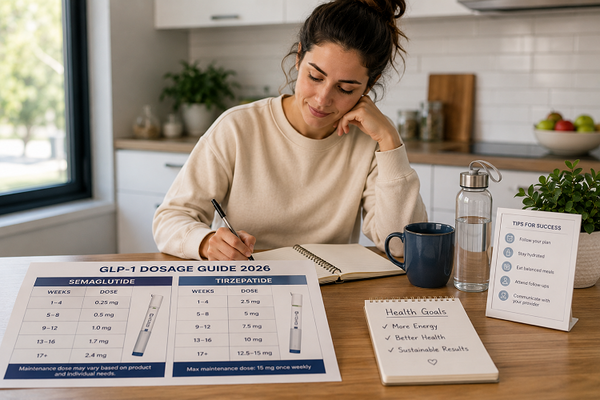
Here’s a typical semaglutide titration schedule for weight management:
|
Week |
Dose |
|---|---|
|
Weeks 1–4 |
0.25 mg weekly |
|
Weeks 5–8 |
0.5 mg weekly |
|
Weeks 9–12 |
1 mg weekly |
|
Weeks 13–16 |
1.7 mg weekly |
|
Week 17 onward |
2.4 mg weekly |
This reflects Wegovy’s protocol. Ozempic’s schedule for diabetes is similar, but maintenance ranges from 1 mg to 2 mg.
- Individual schedules may vary based on tolerance
- Some providers extend phases to reduce side effects
- The maintenance dose is a target, not guaranteed for every patient
How Doctors Determine the Right Dose
There’s no universal dose for everyone. Prescribers tailor the semaglutide dosing schedule to:
- Body weight and BMI: Higher weights may affect metabolism
- Tolerance: Those with persistent nausea might remain on lower doses longer
- Treatment goals: Focusing on weight loss or blood sugar control
Your doctor might adjust the schedule based on your body’s response at each stage. Communication during treatment is essential.
Common Dosage Milestones During Treatment
Most patients reach their maintenance dose in four to five months, though the journey varies. Key milestones:
- Week 4: First increase from 0.25 mg to 0.5 mg
- Week 17: Target maintenance dose of 2.4 mg (for weight loss)
- After 6 months: Weight loss effects become most noticeable
Progress at each stage should be discussed with your provider. Unmanageable side effects often mean extending a dose phase.
Why Titration Reduces Side Effects
The most common semaglutide side effects, nausea, diarrhea, constipation, are closely linked to dose increases. Gradual titration eases your body into each new dose, letting digestive receptors adapt.
Skipping doses or increasing your dose too fast raises the risk of discontinuing treatment. Consistency, even when progress feels slow, produces better long-term outcomes.
Safety Considerations When Adjusting Doses
Never adjust doses without a licensed provider’s advice. Self-adjusting might mean under-treatment or more severe side effects. Important safety notes:
- Missed doses: If missed by less than five days, take as soon as you remember; otherwise, skip and resume your next scheduled dose.
- Contraindications: Not suitable if you have a personal or family history of medullary thyroid cancer or multiple endocrine neoplasia type 2.
- Drug interactions: Always inform your provider about other medications, especially insulin or diabetes drugs.
Why Medical Supervision Is Essential
The semaglutide dosage chart offers a starting point but isn’t a fixed formula. GLP-1 treatment needs clinical oversight to monitor progress, manage side effects, and adjust your plan. Lab work, blood pressure, and weight tracking all inform safe, effective care.
Telehealth platforms have made semaglutide more accessible, but licensed professionals should always be involved. Be wary of providers offering medication without adequate evaluation or follow-up.
Tips for Patients Starting Semaglutide Therapy
Success with semaglutide comes from both dosing and good habits. Practical tips:
- Inject on the same day each week for steady drug levels
- Keep hydrated, especially during titration
- Pair treatment with a reduced-calorie diet and regular physical activity for best results
For more info, see related guides on [GLP-1 side effects], [semaglutide cost and coverage], and [how to get started with GLP-1 therapy].
Talk to a Provider Before Starting or Changing Your Dose
Understanding the dosage chart is just the first step toward safer, more informed treatment. But it can’t replace personalized advice. Every person’s body responds differently.
Before starting semaglutide, or adjusting your dose, always consult a licensed healthcare provider to build a plan suited to your health, goals, and tolerance. This is the best way to maximize safety and results.