Navigating the financial side of weight management medications can feel overwhelming, especially when you are paying out of pocket. As these medications rise in popularity for their effectiveness, many patients want to know what they will pay before starting. If you are exploring GLP-1 medications, understanding current rates is key to making informed health decisions.
This guide breaks down semaglutide costs without insurance in 2026. It covers price differences between brand-name and compounded options, explains why clinic fees vary, and provides tips for finding a reputable treatment program that fits your budget.
What Is Semaglutide and Why Is It Prescribed?
Semaglutide is a GLP-1 receptor agonist, originally developed to help manage type 2 diabetes. Today, it is often prescribed to support sustainable weight loss and improve metabolic health. The medication mimics a natural hormone that regulates appetite and food intake, helping patients feel full sooner and reduce cravings.
Taken as part of a healthy lifestyle, semaglutide can lead to notable improvements in body weight and metabolic markers like blood sugar levels.
Average Semaglutide Cost Without Insurance in 2026
Patients often ask, "How much does semaglutide cost when paying out of pocket?" In 2026, your cost depends on the formulation you choose.
- Brand-name medications (such as Wegovy or Ozempic) cost between $900 and $1,400 per month at retail pharmacies without insurance. These prices reflect manufacturer pricing and high demand for branded pens.
- Compounded semaglutide offers a more affordable alternative, typically priced from $250 to $500 per month. Compounding pharmacies make these custom versions under strict regulations, helping meet demand or providing lower prices during shortages.
Brand-Name vs. Compounded Options
Knowing the difference between these options is essential for managing your semaglutide weight loss cost.
- Brand-name medications: Produced by major pharmaceutical companies and supplied in pre-filled injector pens, these carry the highest price tag.
- Compounded medications: Made by compounding pharmacies, these deliver the same active ingredient but are usually used with a traditional syringe and vial.
- Availability: Compounded options are accessible via many specialized clinics, often avoiding the shortages that can affect the brand-name products.
Factors Influencing Your GLP-1 Medication Cost
Your monthly cost may look different from someone else’s, even if you’re taking the same kind of medication. Several variables affect what you’ll pay out of pocket:
- Dosage requirements: As doses increase, so does the total monthly price.
- Provider supervision: High-quality clinics may charge more for regular check-ins and expert care.
- Included services: Some programs bundle medication with nutritional guidance, lab testing, or fitness plans, which can mean a higher fee but a better overall value.
Why GLP-1 Treatment Program Costs Vary
Treatment programs vary in price because clinics offer different levels of support and care.
A basic telehealth service may offer the lowest rates, covering only a quick virtual consult and a prescription. While this option is budget-friendly on the surface, it may lack the full support many patients need for sustainable results.
In contrast, premium clinics provide a holistic approach, regular blood work, continuous dietary and lifestyle support, and staff accessible for questions. These clinics may cost more, but they help ensure safety and successful results.
How to Access Semaglutide Without Insurance
Not having insurance does not lock you out of weight loss support. In 2026, several routes are available:
- Cash-pay clinics: Many weight loss clinics operate on a clear, monthly membership basis, inclusive of medication and medical care.
- Telehealth services: Convenient subscriptions delivered directly to your door, often costing less than in-person clinics.
- Assistance programs: Pharmaceutical companies sometimes offer savings cards or patient assistance for brand-name drugs. These are usually meant for those with commercial insurance, but some programs have special options for uninsured patients within income requirements.
The Importance of Medical Supervision
GLP-1 medications have significant effects on your metabolism and digestion. Taking them safely requires medical oversight.
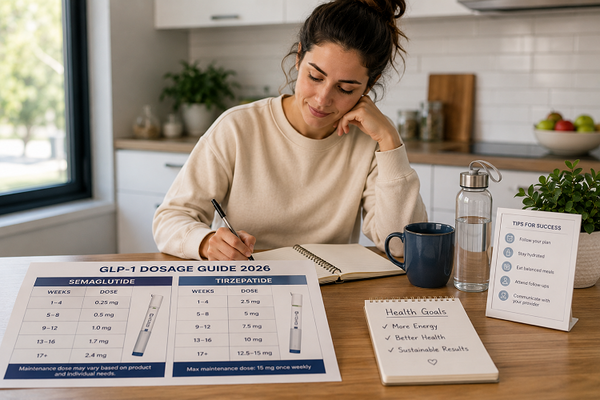
Qualified providers will order baseline lab tests to check if semaglutide is appropriate for you. They guide you through dosage increases, starting low to reduce side effects. For more about typical dose schedules, see our dosage guides.
Doctors are also helpful for managing common side effects like stomach upset or fatigue, making adjustments as needed. Regular check-ins help you lose weight safely, preserving muscle mass and overall nutrition.
Tips for Comparing Programs and Prices
Choosing a provider means paying attention to more than the sticker price. Use these tips to make sure you get real value:
- Look for hidden fees: Does the monthly total include medication, shipping, consults, and labs?
- Confirm pharmacy quality: Make sure the clinic partners with a licensed, reputable compounding pharmacy.
- Consider support: Programs that offer ongoing access to health professionals provide safety and better guidance than those just handing out prescriptions.
Building Long-Term Metabolic Health
Reaching your goal weight is just the first step; keeping it requires lasting changes. Structured programs that combine medication, nutrition, and behavioral support provide the foundation for long-term results. You’ll learn healthy eating habits, strategies for food management, and build physical activity into your routine.
To see if semaglutide is right for your metabolic health and budget, the next step is a professional consultation with a healthcare provider who can design an approach tailored to your needs.