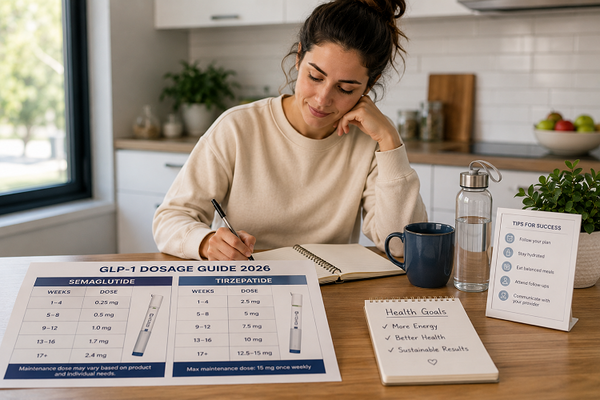
Weight loss medications have dominated health headlines over the past year. Drugs known as GLP-1 receptor agonists, such as semaglutide and tirzepatide, have helped millions of adults shed significant weight. They work by mimicking a hormone that targets areas of the brain regulating appetite and food intake. Patients feel fuller faster and stay satisfied longer.
However, these powerful medications often bring significant side effects. Nausea, vomiting, and extreme fatigue are common, especially when patients first start the treatment or increase their dosage. These uncomfortable symptoms have led some individuals to seek alternative ways to take the medication.
A new trend has recently emerged on social media and health forums. People are talking about "microdosing" their GLP-1 medications. Instead of taking the standard prescribed amount, they take a fraction of the dose. They claim this approach allows them to enjoy the appetite-suppressing benefits while completely bypassing the nausea and stomach upset.
But altering the dose of a prescription medication raises important medical questions. Medical professionals are paying close attention to this growing trend. If you are considering a GLP-1 medication for weight loss, understanding the science and the medical consensus on microdosing is crucial for your health and success.
What exactly is GLP-1 microdosing?
In traditional medicine, a doctor prescribes a GLP-1 medication according to a strict titration schedule. A patient starts on a very low dose to allow their body to adjust. After four weeks, the doctor increases the dose. This process continues until the patient reaches a target maintenance dose, which is clinically proven to provide the maximum weight loss benefit.
Microdosing throws this standard schedule out the window. People who microdose might take half or even a quarter of the standard starting dose. Some choose to stay on that tiny amount indefinitely. Others might inject a very small amount twice a week instead of taking a larger single weekly injection.
The goal is to find the "minimum effective dose." Patients want to consume just enough of the active ingredient to quiet their "food noise" and reduce cravings, but not so much that they feel physically ill. Because these drugs are administered via injection pens, some patients manipulate the pen clicks to dispense an unprescribed, smaller amount of the liquid.
The appeal of lowering the dose
People are modifying their treatment plans for several distinct reasons. The primary motivation is usually symptom management, but other factors play a role as well.
Minimizing severe side effects
Gastrointestinal distress is the most widely reported side effect of GLP-1 medications. For some users, the nausea is so severe that it interferes with their daily life, work, and family obligations. By significantly reducing the amount of medication entering their system, users hope to eliminate these disruptive symptoms.
Seeking gradual weight loss
Rapid weight loss can cause muscle loss, loose skin, and hair thinning. Some individuals prefer a much slower approach to shedding pounds. They use a microdose to slightly reduce their appetite, allowing them to make sustainable lifestyle and diet changes without the extreme restriction caused by higher doses.
Navigating costs and shortages
GLP-1 medications are notoriously expensive and frequently face global supply shortages. Patients sometimes stretch a single prescription pen over a longer period by taking smaller doses. This practice saves money and ensures they do not run out of the medication during a pharmacy backorder.
The medical perspective on modified dosing
Physicians and endocrinologists understand why patients want to avoid feeling sick. However, most medical professionals express serious concerns about the microdosing trend.
A lack of clinical evidence
The biggest issue for doctors is the absence of scientific data. The FDA approved these medications based on rigorous clinical trials that tested specific dosing schedules. Researchers know exactly how safe and effective the drugs are when taken as directed.
There are zero large-scale clinical trials evaluating the safety or effectiveness of microdosing GLP-1s. Doctors practice evidence-based medicine. They cannot confidently recommend a protocol that has not been scientifically tested for long-term safety and results.
The risk of under-dosing
Obesity is a complex, chronic disease. GLP-1 medications treat the underlying metabolic dysfunction driving the disease. When a patient takes a sub-therapeutic dose, they might not receive the actual medical benefits of the drug.
A tiny dose might temporarily suppress appetite, but it might not improve insulin resistance or cardiovascular health the way a full dose does. Physicians worry that patients are spending money on a treatment without actually treating their underlying metabolic conditions effectively.
When adjustments make clinical sense
Doctors are not entirely opposed to dose adjustments. If a patient experiences severe side effects on the standard starting dose, a physician might officially prescribe a slower titration schedule. They might keep the patient on the lowest dose for a longer period before moving up.
The key difference is medical supervision. A doctor needs to monitor your progress, check your bloodwork, and ensure the medication is functioning safely. Manipulating injection pens at home without a doctor's guidance can lead to inaccurate dosing, contamination, or ineffective treatment.
Finding the right approach for your health
The desire to lose weight comfortably is completely understandable. Nobody wants to feel nauseous while trying to improve their health. However, taking medication management into your own hands carries unnecessary risks.
If you are currently taking a GLP-1 medication and struggling with side effects, schedule an appointment with your healthcare provider. Be honest about your symptoms. Your doctor can offer medically sound strategies to manage nausea, adjust your diet, or officially modify your dosing schedule. True, sustainable weight loss requires a partnership between you and a qualified medical professional.Metabolic Health