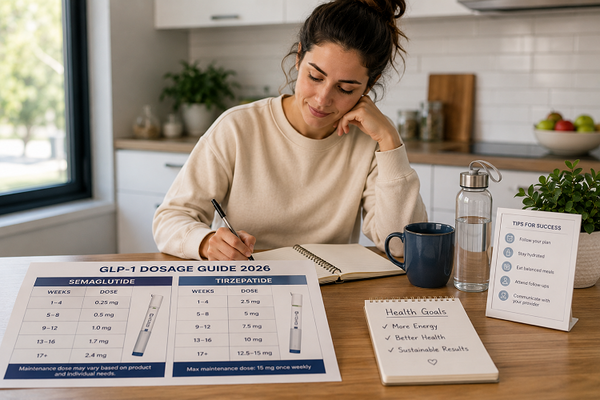
Semaglutide has reshaped how doctors approach weight loss and blood sugar management. As more people begin long-term treatment, one question comes up consistently: what happens after the weight starts coming off? Specifically, what dose do you stay on, and for how long?
The maintenance dose for semaglutide is the steady, long-term dose you reach after a gradual titration period. Getting there takes time, and the right dose looks different for everyone. This post breaks down how semaglutide works, how dosing progresses, and what you can realistically expect from long-term treatment.
What Is Semaglutide?
Semaglutide is a GLP-1 receptor agonist, a medication that mimics a natural hormone called glucagon-like peptide-1. This hormone plays a key role in regulating blood sugar and appetite. By activating GLP-1 receptors in the brain and pancreas, semaglutide helps reduce hunger, slow digestion, and improve insulin response.
It's available under several brand names, including Ozempic (approved for type 2 diabetes) and Wegovy (approved for chronic weight management). Both contain semaglutide but are prescribed at different doses for different purposes.
Why Dosing Starts Low
Starting semaglutide at a full dose would cause significant side effects for most people. Nausea, vomiting, and gastrointestinal discomfort are the most common complaints, and they're far more likely at higher doses introduced too quickly.
To minimize this, doctors use a titration schedule, a step-by-step increase in dose over several months. This gives your body time to adjust. Most patients begin at 0.25 mg per week and work their way up gradually before reaching a maintenance level.
The Standard Titration Schedule
The titration process for Wegovy (semaglutide for weight loss) follows a structured timeline:
- Weeks 1–4: 0.25 mg once weekly
- Weeks 5–8: 0.5 mg once weekly
- Weeks 9–12: 1 mg once weekly
- Weeks 13–16: 1.7 mg once weekly
- Week 17 onward: 2.4 mg once weekly (target maintenance dose)
For Ozempic, the titration is slightly different, typically capping at 1 mg or 2 mg weekly depending on the indication and individual response.
What Is the Maintenance Dose for Semaglutide?
The standard maintenance dose for semaglutide used for weight management (Wegovy) is 2.4 mg once weekly. This is the dose at which clinical trials demonstrated the most significant and sustained weight loss results.
For type 2 diabetes management with Ozempic, the maintenance dose is typically 1 mg or 2 mg once weekly, based on how well blood sugar is controlled and how the patient tolerates the medication.
That said, not everyone reaches or stays at the maximum dose. Some patients maintain meaningful results at lower doses, and their doctor may decide that a lower maintenance level is appropriate for them.
How Doctors Determine Your Long-Term Dose
There's no single formula for selecting a maintenance dose. Physicians weigh several factors:
- Tolerability: If side effects persist at higher doses, the doctor may hold or reduce the dose rather than continue escalating.
- Therapeutic response: How much weight has been lost, or how well blood sugar is controlled, helps guide whether a dose adjustment is needed.
- Individual health profile: Kidney function, history of gastrointestinal issues, and other medications can all influence the safest effective dose.
The goal is to find the lowest dose that produces meaningful, lasting results without unnecessary side effects.
Can You Stay on Semaglutide Long-Term?
Yes. Semaglutide is designed for long-term use, particularly for people managing chronic conditions like obesity or type 2 diabetes. Clinical evidence supports its safety and effectiveness over multi-year periods when used under medical supervision.
Stopping semaglutide often leads to weight regain, which is why many providers view it as an ongoing treatment rather than a short-term intervention. If you and your doctor decide to discontinue, the dose is typically tapered gradually rather than stopped abruptly.
Managing Side Effects at Maintenance Dose
Some people experience a resurgence of mild side effects when the dose increases, even after tolerating lower doses well. This usually settles within a few weeks.
- Eating smaller, low-fat meals can help reduce nausea.
- Staying hydrated is especially important if you experience vomiting or diarrhea.
- If side effects are severe or persistent, contact your prescribing doctor, dose adjustments are a normal part of treatment management.
Monitoring Your Progress on a Maintenance Dose
Once you've reached your maintenance dose, regular check-ins with your healthcare provider remain essential. These appointments allow your doctor to track your weight, blood sugar levels (if relevant), and overall health markers.
Your maintenance dose is not necessarily permanent. Life changes, including pregnancy, surgery, or significant changes in kidney function, may require dose modifications. Ongoing monitoring ensures your treatment plan evolves with your needs.
Starting Your Long-Term Treatment Plan
Reaching the maintenance dose for semaglutide is a milestone, but it's not the finish line. Sustainable results come from combining medication with healthy lifestyle habits, regular follow-ups, and open communication with your doctor.
If you're just starting semaglutide or considering it, speak with a licensed healthcare provider about what the titration and maintenance process will look like for your specific situation. The right dose is the one that works safely and effectively for you, and that determination should always be made with qualified medical guidance.