Starting a new weight loss or metabolic health medication often brings hope and excitement. But for many, unwanted digestive side effects can overshadow those feelings. If you are taking a GLP-1 receptor agonist, you may be dealing with persistent nausea or stomach upset.
Managing nausea on semaglutide is possible with a clear understanding of why it happens and a few practical strategies. This guide explores the reasons behind this common symptom and provides actionable tips to help you stay comfortable throughout your treatment journey. With the right dietary and lifestyle adjustments, you can minimize discomfort and stay focused on your health goals.
Understanding Semaglutide and How It Works
Semaglutide is a GLP-1 receptor agonist, a type of medication that mimics a natural hormone your body uses to manage appetite and blood sugar. It interacts with hunger centers in the brain, helping you feel full sooner and longer. This appetite-regulating effect is a major reason for its success in supporting weight loss and metabolic health.
However, the way semaglutide changes digestion is also what often leads to nausea. The medicine slows the rate at which food exits your stomach, a process known as gastric emptying. Food lingering longer in your stomach leads to earlier and more lasting fullness, which benefits weight management but can feel uncomfortable at the start or after dosage increases.
Why Nausea is a Common Side Effect
Nausea is among the most frequently reported side effects of semaglutide. Because this medication intentionally delays gastric emptying, your stomach feels full more quickly. For some, this leads to unwelcome digestive sensations, especially if you continue to eat the same portions as before starting treatment.
A period of adjustment is normal, your digestive system simply needs time to adapt to the new rhythm. Nausea tends to be strongest shortly after the first dose or after an increase in dosage, as your body adjusts to the drug’s effects. Fortunately, for the majority of patients, these symptoms fade as tolerance increases.
When Does GLP-1 Nausea Usually Start?
Most patients experience nausea within the first few weeks of treatment, particularly after the initial injection. As your system acclimates, the uncomfortable sensations often decrease and, for many, disappear entirely within a few days to weeks.
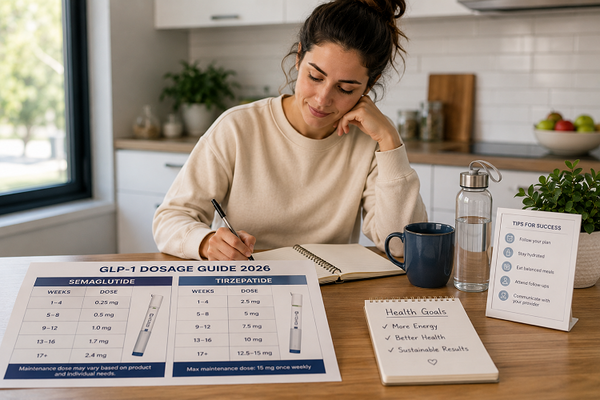
Titration schedules, when doses are increased stepwise, are designed to reduce the risk and severity of side effects. Nausea may return with each increase, but typically subsides as your body adapts.
Triggers That Can Worsen Nausea
Certain habits can make symptoms worse:
- Large meals: Eating too much at once puts excess pressure on a slow-emptying stomach, resulting in discomfort.
- Fatty or greasy foods: Fats take more time to digest, which can intensify the fullness and nausea.
- Dehydration: Not drinking enough water concentrates stomach acids and can heighten stomach upset.
Practical Ways to Reduce Nausea
Simple shifts in daily routines can make a big difference:
- Eat small, frequent meals: Five or six small portions are easier on the stomach than three large meals.
- Choose light foods: Bland carbs (toast, crackers, rice) and easily digestible proteins (baked chicken, white fish, tofu) are gentle on your system.
- Keep hydrated: Sip water and clear fluids throughout the day, avoiding sudden or large quantities at once.
Foods That Help Soothe Semaglutide Nausea
Selecting appropriate foods can ease digestive stress. Stick to bland, low-fat items like plain toast, dry crackers, rice, and oatmeal. Simple lean proteins, such as chicken, turkey, or white fish, nourish without overburdening your stomach.
Natural remedies such as ginger tea or peppermint can provide soothing relief. Some patients find gentle broths and applesauce helpful on days when the stomach feels more unsettled.
Lifestyle Habits for Comfort
Daily practices matter as much as diet. Try the following strategies:
- Eat slowly: Chewing thoroughly and taking your time allows your brain to catch up and signal fullness before you overeat.
- Stay upright after eating: Remain seated or upright for at least 30-60 minutes post-meal to aid digestion and prevent reflux.
- Light activity: Gentle walks after eating can help stimulate movement through the digestive tract, easing the discomfort.
If Nausea Persists: Talking to Your Doctor
Sometimes, even after adopting best practices, nausea continues. In these cases, consult your healthcare provider. You may need to slow down your titration schedule or even lower your dose temporarily. Never change your dose without medical advice.
Your provider may also recommend over-the-counter nausea remedies that are safe to take with semaglutide or offer additional tips tailored to your needs.
Warning Signs: When to Seek Medical Help
Mild to moderate nausea is common and usually manageable, but severe symptoms can signal something more serious. Contact your doctor right away if you experience:
- Persistent vomiting: Unable to keep food or fluids down for more than 24 hours.
- Severe dehydration: Signs include dizziness, confusion, intense thirst, or dark urine.
- Strong abdominal pain: Especially if pain is sharp, constant, and not relieved by usual measures, this could be a sign of pancreatitis or another complication.
Staying on Track with Your Treatment
Adapting to semaglutide’s digestive effects gets easier with time and the right approach. Making smart changes to your diet, focusing on gentle routines, and communicating openly with your healthcare team all help. This can transform your experience from something challenging into a smoother, more manageable journey toward improved health.
If symptoms continue to affect your day-to-day life, seek additional support, don't hesitate to reach out. Always consult a licensed healthcare provider regarding any ongoing issues, dose adjustments, and to ensure your treatment is advancing both safely and effectively.