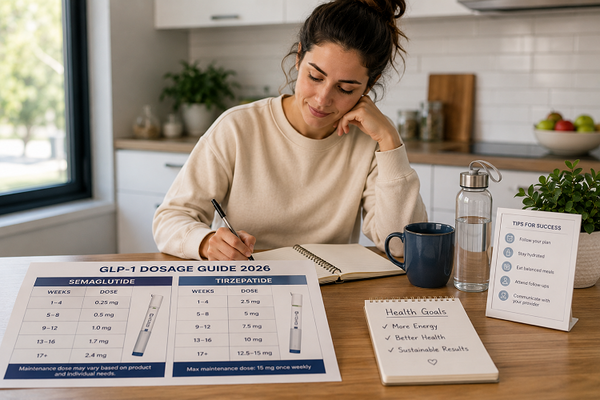
Learning how to get semaglutide without insurance is a common concern, since most insurance plans exclude coverage for weight loss medications. This guide explains legitimate, physician-supervised paths to access semaglutide safely, along with realistic costs and red flags to avoid.
Why Many People Seek Semaglutide Without Insurance
Most insurance plans cover semaglutide only when prescribed for type 2 diabetes, not for weight loss. This leaves many patients searching for semaglutide without insurance simply because their plan excludes the exact use they need.
Even patients with insurance sometimes face high copays, prior authorization requirements, or formulary restrictions that make coverage impractical. As a result, cash-pay and telehealth options have become common alternatives.
Understanding your actual options, rather than assuming coverage is impossible, helps you make a more informed and financially realistic decision.
Can You Legally Get Semaglutide Without Insurance?
Yes, semaglutide can be legally obtained without insurance, but it still requires a valid prescription from a licensed healthcare provider. This applies whether you choose brand-name medication or a compounded formulation.
No legitimate pathway allows patients to obtain semaglutide without a proper medical evaluation. Providers assess factors like BMI, health history, and current medications before determining if treatment is appropriate.
Paying out of pocket does not remove the need for medical oversight. It simply changes how the cost is billed, not the clinical requirements for safe use.
How to Get Semaglutide Without Insurance: Average Out-of-Pocket Costs
Costs vary significantly depending on the formulation and program you choose:
- Brand-name semaglutide (Ozempic, Wegovy): often $900 to over $1,300 per month at list price
- Manufacturer cash-pay programs: sometimes as low as $149 to $199 per month for starter doses
- Compounded semaglutide through telehealth providers: commonly $129 to $299 per month
- Discount card programs: introductory pricing followed by higher standing rates
Affordable semaglutide options exist, but pricing often changes based on dosage stage, promotional periods, and whether services like consultations are bundled in.
Brand-Name vs Compounded Semaglutide
Brand-name semaglutide products are FDA-approved as finished medications and manufactured under strict regulatory oversight. They tend to carry significantly higher list prices for patients without insurance coverage.
Compounded semaglutide is prepared by licensed compounding pharmacies using the same active ingredient. It is not FDA-approved as a finished product, so it should only be obtained through licensed clinicians and reputable, properly regulated pharmacies.
Choosing between the two involves weighing cost against regulatory oversight, with guidance from a licensed provider who understands your specific health needs.
Telehealth Programs for Semaglutide
Semaglutide telehealth programs allow patients to complete an online intake, receive a clinical evaluation, and get an online semaglutide prescription if appropriate, all without visiting a clinic in person. Many programs include follow-up visits as part of ongoing care.
These programs can make physician-supervised weight loss more accessible for patients without insurance, particularly when consultations, prescriptions, and shipping are bundled into one predictable monthly fee.
Not all telehealth programs offer the same level of oversight, so comparing services beyond the advertised price matters when selecting a provider.
Manufacturer Savings Cards and Patient Assistance Programs
Novo Nordisk offers self-pay pricing directly through its NovoCare Pharmacy program, along with a Patient Assistance Program for eligible patients managing type 2 diabetes. Eligibility typically depends on income level and lack of other coverage.
Savings cards can also reduce costs for patients with commercial insurance that partially covers semaglutide, though these cards generally do not apply to patients without any insurance at all.
Checking directly with the manufacturer or your provider can clarify which programs you may qualify for based on your specific situation.
How to Choose a Licensed Provider and Pharmacy
Selecting a safe, reputable source is critical when pursuing semaglutide without insurance:
- Confirm the provider requires a documented medical evaluation before prescribing
- Verify the pharmacy holds proper state licensing
- Ask whether follow-up visits are included in ongoing care
- Review total costs, including consultations, labs, and shipping
- Choose providers that clearly disclose pricing before enrollment
A licensed healthcare provider should always be involved in your treatment plan, regardless of which program or pharmacy you select.
Warning Signs to Avoid Unsafe Online Sellers
Certain signs indicate a source may not be safe or legitimate:
- Selling semaglutide without requiring a prescription
- Marketing through social media direct messages or unofficial websites
- No licensed clinician involved in your care
- Prices that seem drastically lower than any legitimate program
- Lack of transparency about pharmacy sourcing
Never purchase semaglutide from social media sellers, unauthorized websites, or any source that skips proper medical evaluation. These sources carry serious safety risks.
Why Physician Supervision Matters: Final Guidance and Next Steps
Physician-supervised weight loss remains essential throughout semaglutide treatment, regardless of cost. Ongoing monitoring allows your provider to track side effects, adjust dosing, and confirm the medication remains appropriate over time.
When comparing options for how to get semaglutide without insurance, look at total treatment cost, not just the advertised medication price. Consultations, follow-up visits, labs, and shipping all factor into what you'll actually pay.
Choosing a licensed provider and reputable pharmacy protects both your safety and your investment in treatment.
Frequently Asked Questions
How much does semaglutide cost without insurance? Costs range widely, from around $129 to $299 per month for compounded options to $900 or more for brand-name medications at full price. Manufacturer cash-pay programs can lower brand-name costs for eligible patients.
Is compounded semaglutide safe? Compounded semaglutide can be appropriate when prescribed by a licensed clinician and sourced from a properly licensed compounding pharmacy. It is not FDA-approved as a finished product, so verifying the pharmacy's credentials matters.
Can I get semaglutide online without a prescription? No. Legitimate semaglutide access always requires a prescription from a licensed healthcare provider following a proper medical evaluation. Avoid any seller offering the medication without this step.
Speak with a licensed clinician to check your eligibility and explore physician-supervised semaglutide programs. A qualified provider can help you understand total treatment costs, review your health history, and guide you toward a safe, affordable path forward.