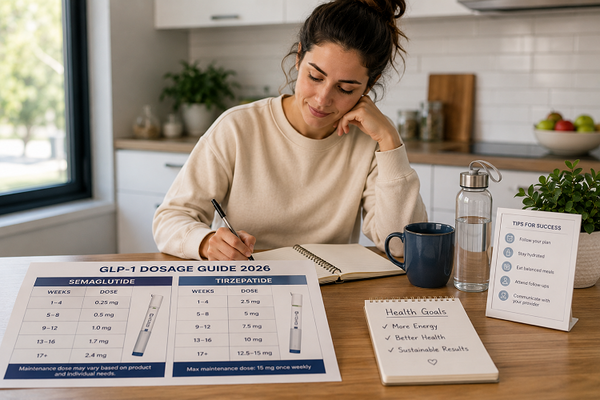
Navigating the healthcare system can be overwhelming, especially when you need treatments that your health plan will not cover. If you are researching how to get GLP-1 medication for weight loss or metabolic health, you might have already hit a roadblock with your insurance provider. Many policies exclude these specific treatments, leaving patients to figure out how to pay out of pocket.
However, lacking insurance coverage does not mean these treatments are entirely out of reach. There are safe, legitimate pathways to secure GLP-1 weight loss treatment without insurance. This guide will walk you through your options, explain the expected costs, and help you find a reputable provider to support your metabolic health journey safely.
What Are GLP-1 Medications?
Glucagon-like peptide-1 (GLP-1) receptor agonists are a class of medications originally developed to treat type 2 diabetes. Recently, they have gained widespread recognition for their significant impact on metabolic health and chronic weight management.
These medications work by mimicking a natural hormone in your body that regulates appetite and blood sugar. They slow down gastric emptying, which helps you feel fuller for longer and reduces overall calorie intake. Common examples of these medications include semaglutide and tirzepatide. By addressing the biological drivers of weight gain, GLP-1 treatments offer a highly effective medical approach to weight loss.
Why Insurance Often Denies Coverage
Despite their proven effectiveness, obtaining GLP-1 weight loss treatment without insurance is a common necessity for many patients. Insurance companies frequently deny coverage for these medications when prescribed strictly for weight management rather than type 2 diabetes.
Many insurers still classify weight loss medications as "lifestyle" drugs rather than essential medical treatments. Additionally, the high retail price of brand-name GLP-1s makes insurance companies reluctant to add them to their standard formularies. As a result, patients are often forced to explore alternative methods for GLP-1 treatment access.
Safe Ways to Access GLP-1 Medication Without Insurance
If your insurance denies your claim, you still have viable paths forward. It is highly important to only use legitimate, legally compliant avenues to protect your health.
- Medical weight loss clinics: Local clinics specialize in metabolic health and often offer self-pay packages that bundle provider consultations with the medication.
- Telehealth weight loss programs: Online platforms provide convenient access to licensed medical professionals who can prescribe semaglutide without insurance, often through a monthly subscription model.
- Manufacturer savings programs: Pharmaceutical companies sometimes offer savings cards or patient assistance programs that significantly reduce the retail cost at your local pharmacy.
Understanding Compounding Pharmacies
When brand-name drugs face national shortages, the FDA allows state-licensed compounding pharmacies to create medications with the same active ingredients. This has become a popular route for securing tirzepatide without insurance.
Compounded medications are often more affordable than their brand-name counterparts. However, you must ensure the pharmacy is highly regulated. Look for facilities designated as 503A or 503B, which indicates they adhere to strict federal and state quality standards. Your prescribing doctor or telehealth provider will usually coordinate this for you.
Expected Out-of-Pocket Costs
The cost of GLP-1 medications varies wildly depending on how you source them. If you pay the full retail price at a standard pharmacy for brand-name injectables, you could spend upwards of $1,000 to $1,300 per month.
Choosing a telehealth program or a medical clinic that utilizes compounded medications can drastically lower this expense. Patients typically pay between $250 and $400 per month through these comprehensive programs. This fee usually covers the medication, shipping, and ongoing medical support. Be sure to compare different GLP-1 programs to find a pricing structure that fits your budget.
Tips for Reducing Treatment Costs
Paying out of pocket requires careful financial planning. Fortunately, there are a few strategies to help manage the monthly expense of your GLP-1 medication.
- Use HSA/FSA funds: Many weight loss programs are eligible for Health Savings Account or Flexible Spending Account reimbursement if accompanied by a Letter of Medical Necessity.
- Look for bundled subscriptions: Telehealth providers often offer discounts if you commit to a multi-month treatment plan rather than paying month-to-month.
- Check for discount cards: Independent prescription discount programs can sometimes lower the cash price of medications at retail pharmacies.
Safety Considerations When Buying GLP-1 Medications
When searching for GLP-1 medication without insurance, safety must remain your top priority. The high demand for these treatments has unfortunately led to the rise of unregulated online sellers and counterfeit products.
Never purchase prescription medications from a website that does not require a consultation with a licensed healthcare provider. If a price seems unbelievably low, it is likely a scam. Always verify that your provider is licensed in your state and that any compounded medication comes from a legitimate, accredited pharmacy in the United States.
The Importance of Physician Supervision
Weight loss medication is not a casual supplement; it is a serious medical treatment that alters your body's chemistry. Having a licensed healthcare provider oversee your program is absolutely vital for a safe experience.
A qualified provider will evaluate your medical history to ensure GLP-1s are appropriate for you. They will also guide you through a proper dosage schedule, which is crucial for minimizing side effects like nausea or gastrointestinal discomfort. Furthermore, a structured metabolic health program provides the nutritional guidance and lifestyle support necessary to sustain your results long-term.
Start Your Metabolic Health Journey
Navigating the costs and logistics of acquiring GLP-1 medication without insurance takes a bit of research, but the profound benefits to your metabolic health make it a worthwhile investment. By choosing reputable telehealth programs or licensed medical clinics, you can safely access treatments like semaglutide or tirzepatide.
Your health deserves expert care and supervision. We encourage you to consult a licensed healthcare provider to determine safe and effective options for accessing GLP-1 medication without insurance. Reach out to Kora MD today to explore our medically supervised weight loss programs and take the first step toward lasting metabolic wellness.