GLP-1 medications have changed how doctors approach weight loss and metabolic health. Drugs like semaglutide and tirzepatide have shown impressive results in clinical trials, but the dose that works well for one patient may be too much or too little for another. So how do doctors land on the right number?
The answer isn't a single formula. It's a careful, ongoing process that weighs your body, your health history, and how you respond to treatment over time. This guide breaks down exactly how healthcare providers make those decisions, and what you can do to support the process.
What Are GLP-1 Medications?
GLP-1 (glucagon-like peptide-1) receptor agonists are a class of medications that mimic a hormone your gut naturally produces after eating. They work by slowing digestion, reducing appetite, and signaling your brain that you're full. Many also help regulate blood sugar by stimulating insulin release.
Well-known options include semaglutide (sold as Ozempic and Wegovy) and tirzepatide (sold as Mounjaro and Zepbound). Both are FDA-approved for type 2 diabetes management and, at higher doses, for chronic weight management.
Why There's No Universal GLP-1 Dose
A one-size-fits-all approach simply doesn't work with GLP-1 therapy. Each person metabolizes these medications differently, tolerates side effects at different thresholds, and starts treatment with a unique health profile.
Prescribing too high a dose too quickly increases the risk of nausea, vomiting, and other gastrointestinal side effects. Starting too low for too long may slow progress without offering much benefit. Finding the right GLP-1 dose is a balance that requires personalization from the start.
Key Factors Doctors Evaluate
Body Weight and BMI
Your starting weight influences both the target dose and the expected timeline for results. Patients with higher BMIs may require longer titration periods to reach a therapeutic dose that produces meaningful weight loss.
Medical History and Existing Conditions
Doctors review your full health picture before prescribing. Certain conditions, including a personal or family history of medullary thyroid carcinoma or pancreatitis, may make GLP-1 therapy unsuitable. Kidney function and cardiovascular history also factor into the equation.
Blood Sugar Levels and Metabolic Health
For patients managing type 2 diabetes, blood glucose control is a central part of the GLP-1 dosage decision. Doctors use A1C levels and fasting glucose results to evaluate how much support your metabolic system needs and to avoid the risk of hypoglycemia, particularly if you're also taking insulin or other diabetes medications.
Medication Tolerance and Side Effects
How your body reacts in the early weeks matters a great deal. Nausea, fatigue, and digestive discomfort are common at the start of treatment. If side effects are significant, your doctor may slow down the titration schedule rather than push to the next dose level.
How Titration Schedules Work
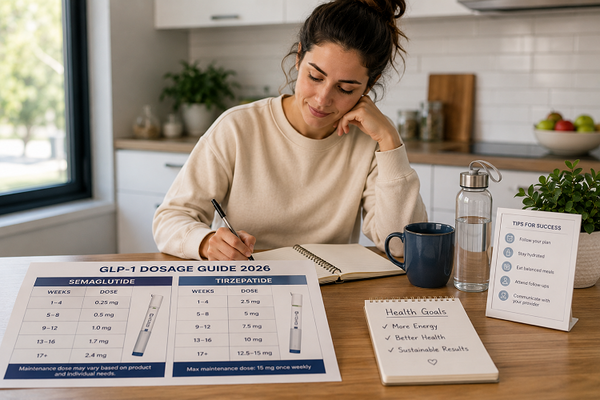
Titration is the process of starting at a low dose and gradually increasing it over several weeks or months. Most GLP-1 dosing schedules are designed this way intentionally, to let your body adjust while minimizing side effects.
With semaglutide, for example, patients typically begin at 0.25 mg weekly and step up in increments over 16 to 20 weeks before reaching the target maintenance dose. Tirzepatide follows a similar staggered approach, starting at 2.5 mg weekly before advancing. See our [GLP-1 titration schedule guide] for a full breakdown by medication.
How Providers Monitor Progress
Once treatment begins, your doctor doesn't just set the dose and step back. Ongoing monitoring is central to finding your ideal GLP-1 dose and keeping you safe. Providers typically track:
- Weight changes and appetite control at regular follow-up appointments
- Lab results, including blood sugar, kidney function, and lipid panels
- Any new or worsening side effects that might indicate a need to adjust
If progress stalls or side effects persist, your provider may adjust the dose up or down accordingly.
Semaglutide vs. Tirzepatide: Different Dosing Strategies
While both medications follow titration-based approaches, their dose ranges differ. Semaglutide for weight management tops out at 2.4 mg weekly, while tirzepatide can reach up to 15 mg weekly. Tirzepatide also targets two hormonal receptors (GLP-1 and GIP), which may influence how quickly patients respond and how dose adjustments are managed.
Your doctor will weigh these differences alongside your individual health goals when selecting the right medication and GLP-1 dosing schedule for you. For a side-by-side comparison, see our [semaglutide vs. tirzepatide dosage guide].
When Doctors Pause or Lower a Dose
Dose reductions aren't a setback, they're a routine part of responsible GLP-1 management. Providers may pause or lower a dose if you're experiencing persistent nausea or vomiting, significant dehydration, unexplained muscle loss, or a planned surgical procedure. Missing doses can also affect how your body tolerates the next scheduled injection. Our [missed dose guidance article] covers what to do in those situations.
Working With Your Provider to Find the Right Dose
The most effective GLP-1 treatment plans are built on open communication. Come prepared to each appointment with honest notes on how you've been feeling, what side effects you've noticed, and any changes in appetite or energy. Don't wait until your next scheduled visit to flag concerns, most providers welcome early contact if something feels off.
Take the Next Step With a Licensed Provider
Understanding how GLP-1 dosing works puts you in a better position to participate in your own care. But personalized dosing decisions require professional oversight. Speak with a licensed healthcare provider to determine the safest and most effective GLP-1 dose based on your specific health profile, goals, and medical history. Self-adjusting doses without guidance carries real risks, and the right provider partnership makes a meaningful difference in long-term outcomes.