Choosing the right medication to manage weight and metabolic health is a significant decision. With so many options available, patients frequently ask about the differences between popular treatments. Two of the most commonly discussed options are GLP-1 receptor agonists and metformin. Both have a history of helping patients manage blood sugar, but they work in fundamentally different ways when it comes to shedding excess weight.
Understanding the specific benefits and limitations of each medication can help you make an informed choice. This guide will provide a clear GLP-1 weight loss comparison alongside metformin, explaining how they work, their expected results, and their potential side effects.
What Are GLP-1 Medications?
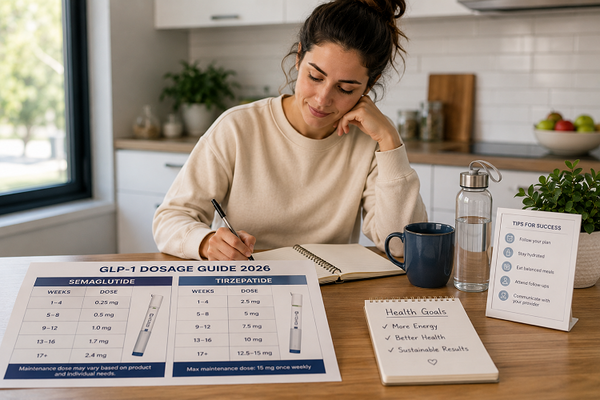
GLP-1 medications are a class of drugs originally developed to treat type 2 diabetes but are now widely prescribed for weight management. Common examples include semaglutide and tirzepatide. These drugs use a hormone-based approach to change how your body handles hunger and digestion.
By mimicking naturally occurring hormones, GLP-1 treatments communicate directly with your brain to reduce appetite. They also slow down the emptying of your stomach, which helps you feel full for longer periods after eating a meal.
What Is Metformin?
Metformin is one of the oldest and most widely used medications for managing type 2 diabetes. It is typically the first line of defense prescribed by doctors to help lower blood sugar levels.
Unlike newer treatments, metformin does not directly target appetite hormones. Instead, it improves your body’s insulin sensitivity. This means it helps your cells use blood sugar more effectively. While it is highly effective for diabetes management, it is generally considered to offer only mild weight loss support rather than dramatic reductions.
Key Differences in Mechanism
To understand the metformin vs GLP-1 debate, you have to look at how they operate inside the body. They tackle metabolic health from two distinct angles.
- Hormone regulation: GLP-1 medications actively reduce hunger signals in the brain and slow digestion, leading directly to reduced calorie intake.
- Insulin sensitivity: Metformin stops the liver from producing excess glucose and helps muscle cells absorb sugar, which stabilizes energy levels but does not severely suppress appetite.
Comparing Effectiveness for Weight Loss
When comparing semaglutide vs metformin or tirzepatide vs metformin, the expected weight loss results differ significantly.
Patients using GLP-1 medications typically experience stronger, more noticeable weight loss. Because these drugs actively suppress appetite, many patients lose a substantial percentage of their overall body weight within the first year of treatment.
On the other hand, metformin weight loss results are generally mild to moderate. Some patients may lose a few pounds as their blood sugar stabilizes, but it is rarely prescribed solely as a primary weight loss drug for obesity.
Side Effects You Should Know
All medications come with the risk of side effects. For both of these treatments, the most common issues are related to the digestive system.
- GLP-1 side effects: Patients frequently report nausea, constipation, and occasional vomiting, especially when first starting the medication or increasing the dose. You can read more in our [GLP-1 side effects] guide.
- Metformin side effects: The most common complaints include diarrhea, mild stomach upset, and a metallic taste in the mouth. These symptoms often resolve after a few weeks of consistent use.
Long-Term Safety Profiles
Safety is a top priority when starting any new daily medication. Fortunately, both options have strong safety records, though their histories look a bit different.
Metformin has been used safely for decades. Its long-term effects are incredibly well-studied, making it a highly trusted option in the medical community. GLP-1 medications are newer to the market, but they have still undergone rigorous clinical trials. For more detailed information, consult our complete [safety guide] on metabolic treatments.
Who Should Choose GLP-1?
A GLP-1 medication is often the better choice for individuals with significant weight loss goals. It is highly recommended for patients dealing with clinical obesity or those who have weight-related metabolic conditions that require a stronger intervention to manage appetite.
Who Should Choose Metformin?
Metformin is an excellent starting point for patients in the early stages of type 2 diabetes or those with prediabetes. It is also a good fit for patients who only have mild weight loss needs or those who want to focus primarily on stabilizing their blood glucose levels.
Cost and Accessibility Differences
Practical factors like cost and availability play a massive role in medication choices. Metformin is a generic drug, making it highly accessible and very affordable, even for patients paying out of pocket.
By contrast, GLP-1 medications are still patent-protected and can be quite expensive. While they are more effective for weight reduction, securing insurance coverage can sometimes be a hurdle. You can review our detailed [medication comparisons] to better understand the financial aspect of these treatments.
Finding the Right Treatment for You
Choosing between GLP-1 vs metformin weight loss treatments ultimately depends on your unique body, budget, and medical history. While GLP-1 drugs offer powerful appetite suppression and major weight reduction, metformin provides an affordable, time-tested way to improve insulin sensitivity.
We strongly encourage you to consult a licensed healthcare provider. A doctor can review your metabolic health goals, discuss relevant [dosage charts], and help you determine whether a GLP-1 medication or metformin is the safest and most effective option for your journey.