Choosing the right path for significant weight loss is a deeply personal and medical decision. For adults managing obesity or related metabolic conditions, diet and exercise alone often fall short. This reality leads many to explore advanced medical interventions.
If you are evaluating your choices, you have likely encountered two primary paths: injectable medications and surgical procedures. Both offer life-changing benefits, but they work in completely different ways. This guide provides a comprehensive GLP-1 weight loss comparison against traditional surgery, helping you understand the mechanisms, risks, effectiveness, and costs of each option.
Understanding Advanced Weight Loss Treatments
When comparing weight loss surgery vs medication, it helps to understand the foundational goals of advanced treatments. These interventions are designed to help patients achieve significant weight reduction and improve obesity-related conditions like type 2 diabetes, high blood pressure, and sleep apnea. Deciding between a medical approach and a surgical one requires careful consideration of your overall health, lifestyle, and long-term goals.
What Are GLP-1 Medications?
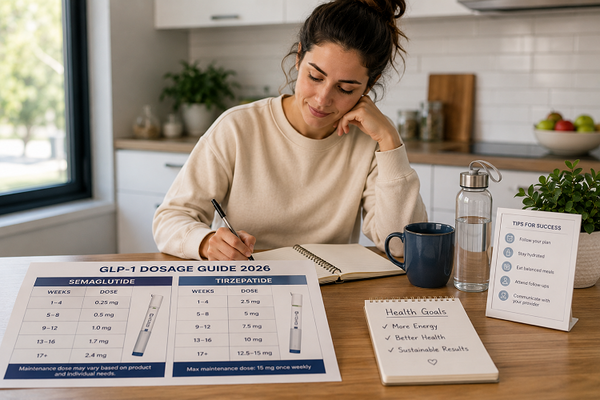
GLP-1 receptor agonists are a class of prescription medications initially developed to treat type 2 diabetes. Recently, they have gained massive popularity for their highly effective weight-loss properties.
- Hormone-based approach: These medications mimic natural hormones that regulate blood sugar and appetite.
- Common medications: Popular options include semaglutide and tirzepatide.
- Non-surgical treatment: They are typically administered via a routine weekly injection at home.
To learn more about how these drugs function, you can review our detailed [medication comparisons].
What Is Bariatric Surgery?
Bariatric surgery refers to various surgical procedures performed on the stomach or intestines to induce weight loss. It has been the gold standard for treating severe obesity for decades.
- Surgical procedures: The most common types include gastric bypass and sleeve gastrectomy.
- Physical alteration: The surgery physically reduces the size of the stomach or reroutes the digestive tract.
- Metabolic impact: It creates lasting changes to your digestive system and metabolic function.
Key Differences in the Weight Loss Approach
The core difference in the GLP-1 vs bariatric surgery debate lies in the delivery and permanence of the treatment. GLP-1 treatments rely entirely on a medication-based approach. As long as you take the medication, it alters chemical signals in your brain and gut to make you feel full.
Conversely, bariatric surgery involves a permanent physical alteration of your digestive system. It physically restricts how much food your stomach can hold and, in some cases, reduces calorie absorption in the intestines.
Comparing Effectiveness and Results
When looking at semaglutide vs bariatric surgery, the timeline and scale of weight loss differ notably. GLP-1 medications generally result in gradual weight loss. Patients often see a steady decline in weight over several months to a year, leading to a 15% to 20% reduction in total body weight.
Bariatric surgery typically delivers rapid and significant weight loss. Patients can lose 50% to 70% of their excess body weight within the first 12 to 18 months. However, the long-term results and sustainability for both options rely heavily on a patient's commitment to dietary and lifestyle changes.
Risks and Potential Side Effects
Every medical intervention carries potential downsides. When evaluating tirzepatide vs surgery, it is vital to weigh these risks.
- GLP-1 side effects: Patients frequently experience nausea, vomiting, and other minor digestive issues, which you can read about in our comprehensive [GLP-1 side effects] overview.
- Surgical risks: Surgery carries risks like infection, blood clots, or complications from anesthesia.
- Long-term issues: Surgical patients face a lifelong risk of nutrient deficiencies. Be sure to consult a [safety guide] for post-operative care.
Recovery Times and Required Lifestyle Changes
Recovery is a major deciding factor for many patients. GLP-1 medications require virtually no recovery time. You simply take your injection and continue your day.
Bariatric surgery requires a hospital stay followed by several weeks of recovery. During this time, you must follow a strict transitional diet, moving from liquids to pureed foods before reintroducing solids. Regardless of which path you choose, both require permanent lifestyle changes, including a nutritious diet, regular exercise, and healthy long-term habits to maintain the weight loss.
Analyzing the Financial Costs
Cost structures vary wildly between these two options. GLP-1 medications involve an ongoing monthly cost. Because these drugs are required long-term to maintain weight loss, the out-of-pocket expenses can add up significantly over the years if insurance coverage is denied.
Bariatric surgery features a very high upfront cost. However, because it is a one-time procedure, it may actually be more cost-effective over a lifetime. Many insurance plans also cover bariatric surgery for patients who meet specific BMI and health criteria.
Who Should Choose GLP-1 Medications?
Medications are an excellent starting point for many individuals. GLP-1s are highly recommended for patients with moderate weight loss goals who want to improve their metabolic health. They are also the ideal choice for individuals who want to avoid the risks of surgery or those who do not qualify for surgical intervention based on their BMI.
Who Should Consider Bariatric Surgery?
Bariatric surgery vs GLP-1 often comes down to the severity of the patient's condition. Surgery is generally reserved for individuals with severe obesity (typically a BMI over 40, or over 35 with related health conditions). It is highly effective for patients needing rapid results to resolve life-threatening metabolic diseases.
Making the Best Choice for Your Health
Deciding between medication and surgery is a complex process that depends entirely on your unique medical history, financial situation, and personal preferences. While both paths offer excellent [treatment options] for conquering obesity, neither is a magic cure that works without your active participation.
We strongly encourage you to consult a licensed healthcare provider or bariatric specialist to discuss your specific medical needs. A professional evaluation is the only way to determine whether GLP-1 medications or bariatric surgery is the safest and most effective option for your condition.