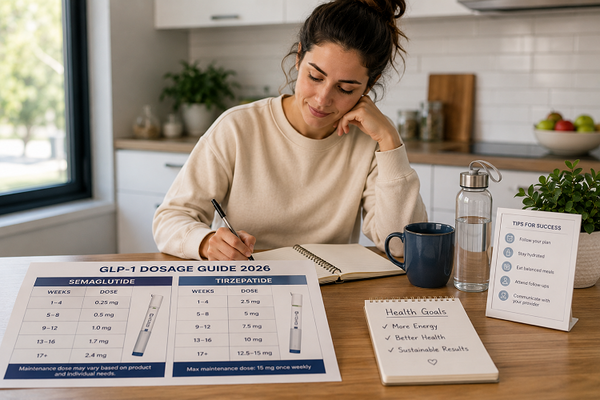
Starting a GLP-1 medication is rarely as simple as taking a pill and waiting for results. These medications, semaglutide and tirzepatide being the most widely used, require a carefully managed dosing process called titration. For anyone researching GLP-1 therapy for weight loss or metabolic health, understanding how that process works can make the difference between a smooth treatment experience and an unnecessarily uncomfortable one.
This guide breaks down the GLP-1 titration schedule week by week, explains why doses increase gradually over time, and outlines what patients can expect at each stage of treatment.
What Are GLP-1 Medications?
GLP-1 receptor agonists are a class of medications that mimic a naturally occurring hormone called glucagon-like peptide-1. This hormone plays a key role in regulating blood sugar, slowing digestion, and signaling fullness to the brain. Semaglutide (sold under brand names like Ozempic and Wegovy) and tirzepatide (Mounjaro and Zepbound) are two of the most commonly prescribed GLP-1 medications today.
Both are administered as weekly subcutaneous injections and have shown significant results in clinical trials for weight management and type 2 diabetes control. However, neither medication is started at its full therapeutic dose. That's where titration comes in.
What Is a Titration Schedule?
In medical treatment, titration refers to the process of gradually adjusting a medication's dose until the desired therapeutic effect is achieved, while keeping side effects manageable. Rather than jumping straight to the highest dose, patients start low and increase slowly over a set number of weeks.
For GLP-1 medications, this approach is standard practice. The body needs time to adapt to how these drugs affect the digestive system and metabolism. A structured GLP-1 dosing schedule helps minimize nausea, vomiting, and other gastrointestinal symptoms that are common during early treatment.
Why Titration Is Necessary for GLP-1 Therapy
GLP-1 medications slow gastric emptying, meaning food moves through the stomach more slowly than usual. At higher doses, this effect is more pronounced, which can cause significant nausea or discomfort if the body hasn't had time to adjust.
Titrating up gradually allows the gastrointestinal system to adapt incrementally. Studies have consistently shown that patients who follow a proper titration schedule report better tolerability and are more likely to continue treatment long-term. Skipping titration steps or increasing doses too quickly is one of the leading causes of early discontinuation.
GLP-1 Titration Schedule: Week-by-Week Example
While exact dosing varies based on the specific medication and individual patient factors, here is a general example of how a GLP-1 titration schedule typically progresses:
Semaglutide Titration Schedule
The standard semaglutide titration schedule for weight management (Wegovy) follows a structured monthly escalation:
- Weeks 1–4: 0.25 mg once weekly (starting dose)
- Weeks 5–8: 0.5 mg once weekly
- Weeks 9–12: 1.0 mg once weekly
- Weeks 13–16: 1.7 mg once weekly
- Week 17 onward: 2.4 mg once weekly (maintenance dose)
Each step is held for approximately four weeks to allow tolerance to develop before moving to the next level. For the full breakdown, see our semaglutide dosage chart.
Tirzepatide Titration Schedule
Tirzepatide follows a similar gradual approach, though its dose range is higher:
- Weeks 1–4: 2.5 mg once weekly
- Weeks 5–8: 5 mg once weekly
- Weeks 9–12: 7.5 mg once weekly
- Weeks 13–16: 10 mg once weekly
- Weeks 17–20: 12.5 mg once weekly
- Week 21 onward: 15 mg once weekly (maximum dose)
Not all patients reach the maximum dose. Many achieve their treatment goals at lower maintenance levels. For a more detailed breakdown, visit our tirzepatide dosage chart.
Common Symptoms During Titration Phases
Mild to moderate side effects are expected, particularly during the first few weeks of each new dose. The most frequently reported symptoms include:
- Nausea, especially after injections or large meals
- Constipation or diarrhea during the early adjustment period
- Fatigue and reduced appetite, which often stabilize over time
These symptoms are generally temporary and tend to ease as the body adjusts. Severe or persistent symptoms should always be reported to a healthcare provider. For a full list of what to expect, see our guide on GLP-1 side effects.
How Doctors Monitor Progress During Titration
Physician oversight doesn't end after the prescription is written. During titration, healthcare providers typically monitor several key factors to ensure the treatment is progressing safely.
Regular check-ins help assess how well the patient is tolerating each dose level. Providers may also review weight trends, blood sugar readings (for diabetic patients), and any reported side effects before approving a dose increase. If a patient is struggling with side effects, the titration schedule may be paused or slowed, a practice known as dose holding.
Semaglutide vs. Tirzepatide: Key Differences in Titration
Both medications follow a gradual weekly dosing structure, but there are notable differences worth understanding.
Semaglutide targets only the GLP-1 receptor, while tirzepatide is a dual agonist that also activates GIP receptors, a distinction that may contribute to tirzepatide's higher maximum dose and, in some trials, greater average weight loss. The titration period for tirzepatide is also longer, spanning up to 20 weeks before reaching full maintenance dosing.
Individual responses to each medication vary. What works optimally for one patient may not be the right fit for another, which is another reason personalized medical guidance matters throughout the process.
Safety Considerations During Dose Increases
Increasing a GLP-1 dose is not a decision to make independently. Certain health conditions, medications, or personal risk factors may affect how safely a patient can move through the titration schedule.
- Patients with a history of pancreatitis or thyroid conditions may require additional monitoring
- Interactions with other medications, including insulin, should be reviewed before each dose adjustment
- Dehydration from vomiting or diarrhea can become a concern if side effects are severe
These safety considerations reinforce why a physician-supervised GLP-1 dosing schedule is essential, not optional.
Tips for Patients During the Titration Process
Managing the titration period well can significantly improve the overall treatment experience. A few practical strategies that many patients find helpful:
- Eat smaller, lower-fat meals around the time of your weekly injection to reduce nausea
- Stay well hydrated throughout the week, particularly in the early weeks of a new dose
- Keep a simple symptom log to share with your healthcare provider at each follow-up appointment
Small lifestyle adjustments during titration can make a meaningful difference in how comfortably patients progress through each phase.
Start Your GLP-1 Journey the Right Way
A well-managed GLP-1 titration schedule is foundational to a safe and effective treatment outcome. Whether you're considering semaglutide or tirzepatide, the path to results runs through a structured dosing process, one that prioritizes tolerability and long-term sustainability over speed.
Before starting or adjusting any GLP-1 medication dosage, consult a licensed healthcare provider. They can assess your medical history, recommend the right medication and starting dose, and guide you through each stage of the titration process with the clinical oversight this treatment requires. To understand what treatment may cost over time, explore our GLP-1 treatment cost guide.