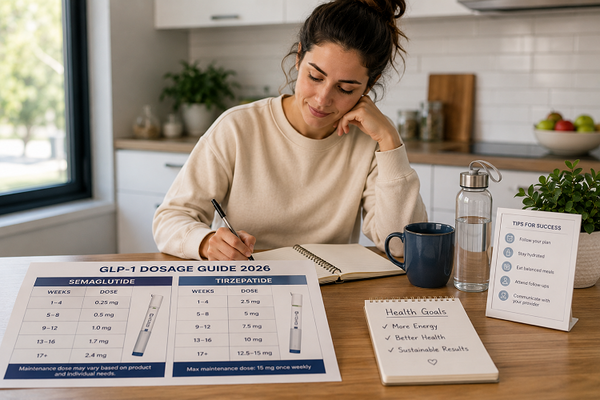
This guide reflects current pricing trends and clinical practices for GLP-1 telehealth programs as of February 2026. Costs and offerings change frequently, so always confirm current details directly with a licensed provider.
What Is a GLP-1 Telehealth Program?
A GLP-1 telehealth program connects patients with licensed clinicians online to evaluate, prescribe, and monitor GLP-1 medications such as semaglutide or tirzepatide for weight management. These programs typically combine virtual consultations, prescription management, and ongoing follow-up care.
The goal of physician-supervised weight loss through telemedicine is to make evidence-based treatment more accessible while maintaining medical oversight. A telehealth weight loss program should never replace basic safety checks like health history review, lab evaluation, and monitoring for side effects.
Because these programs operate online, convenience is a major draw. However, convenience should never come at the expense of proper medical supervision.
Average Cost of a GLP-1 Telehealth Program
GLP-1 telehealth program cost varies widely depending on the medication prescribed, the provider, and what services are bundled into the plan. Semaglutide telehealth cost and tirzepatide telehealth program pricing often differ because these medications have different manufacturing costs and dosing structures.
Generally, patients can expect a range that includes a membership or consultation fee plus the cost of medication itself. Compounded formulations may cost less than brand-name products, though pricing should never be the only deciding factor.
It is not possible to guarantee an exact price, since costs shift based on individual treatment plans, dosage adjustments, and regional provider pricing.
What's Usually Included in the Monthly Cost?
Many online GLP-1 programs bundle several services into one monthly fee. This can include an initial consultation, prescription issuance, follow-up visits, lab review, and medication shipping.
Other programs charge these services separately, which can make total costs harder to predict upfront. Reading the fine print before enrolling in any medical weight loss program is essential.
Patients should ask providers directly what is included, since bundled and unbundled pricing structures can lead to very different total costs over time.
Factors That Affect Program Pricing
Several variables influence the overall cost of a virtual weight loss program:
- Type of medication prescribed (semaglutide vs. tirzepatide)
- Brand-name versus compounded formulations
- Dosage strength and titration schedule
- Frequency of physician follow-up visits
- Whether lab work is included or billed separately
- Shipping and pharmacy fees
- Insurance coverage or lack thereof
Understanding these factors can help patients compare programs more accurately rather than relying on advertised starting prices alone.
Telehealth vs Traditional Weight Loss Clinics
Traditional in-person weight loss clinics often involve higher overhead costs, which can translate to higher visit fees. Telemedicine GLP-1 programs may reduce some administrative costs, but medication expenses remain a major factor in both models.
In-person clinics may offer more direct physical examinations, while telehealth programs prioritize accessibility and convenience through virtual visits.
Neither model is inherently better for every patient. The right choice depends on individual health needs, comfort with virtual care, and access to local specialists.
How to Choose a Safe Telehealth Provider
Choosing a reputable online weight loss clinic is critical for both safety and value. Consider the following before enrolling:
- Confirm the provider employs licensed physicians or nurse practitioners
- Check that lab review and medical history intake are required, not optional
- Look for transparent pricing with no hidden fees
- Verify medications are sourced from licensed, regulated pharmacies
- Ensure ongoing follow-up care is part of the program, not a one-time consultation
Avoid unlicensed telehealth providers or unregulated online sellers offering GLP-1 medications without proper medical evaluation. These sources may pose serious safety risks.
Is a GLP-1 Telehealth Program Worth the Cost?
Whether a GLP-1 telehealth program cost is worthwhile depends on individual health goals, budget, and access to alternative care options. For many patients, the convenience of virtual physician-supervised weight loss combined with consistent follow-up justifies the investment.
Value should be measured not just by price, but by the quality of medical oversight, communication with clinicians, and support provided throughout treatment.
Patients should weigh total costs against the level of care received rather than choosing a program based solely on the lowest advertised price.
Physician Supervision and Patient Safety
Ongoing physician supervision is one of the most important components of any GLP-1 treatment cost. Regular follow-up allows clinicians to monitor side effects, adjust dosages, and ensure the medication remains appropriate for the patient's health status.
Physician-supervised weight loss programs are designed to reduce risks associated with self-directed medication use, including improper dosing or lack of monitoring for adverse reactions.
Patients should view physician oversight as a core part of the program's value, not an optional add-on.
Final Thoughts & Next Steps
Understanding GLP-1 telehealth program cost requires looking beyond the advertised price to what is actually included: consultations, prescriptions, lab reviews, and physician follow-up. Costs vary by medication, provider, and insurance status, so no single number applies to every patient.
Choosing a licensed, transparent provider matters as much as the price itself. Safe, physician-supervised care remains the foundation of effective and responsible GLP-1 treatment.
Frequently Asked Questions
How much does a GLP-1 telehealth program cost? Costs vary based on medication type, provider fees, and what services are bundled into the plan. There is no fixed price that applies universally, so it's best to request a detailed cost breakdown from any provider you're considering.
Does insurance cover online GLP-1 programs? Coverage depends on your individual insurance plan and whether the medication is prescribed for an FDA-approved indication. Some plans offer partial coverage, while others do not cover GLP-1 medications for weight loss at all. Checking with your insurer directly is recommended.
What should I look for in a telehealth provider? Look for licensed clinicians, transparent pricing, required lab and health history review, and ongoing follow-up care. Avoid providers that skip medical evaluation or offer medications without proper prescribing oversight.