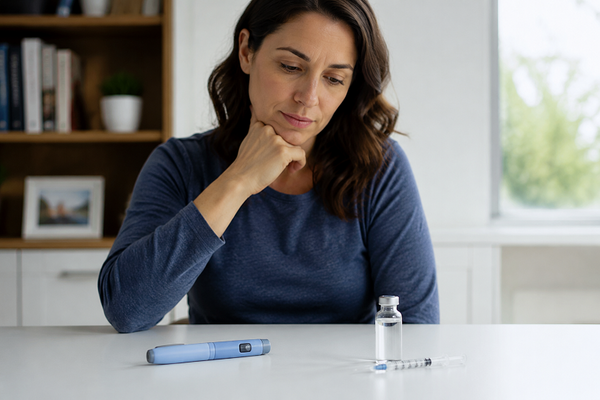
GLP-1 medications like semaglutide and tirzepatide have transformed weight loss and diabetes management. These therapies deliver meaningful clinical outcomes when used appropriately. However, side effects can occur, especially during the early stages of treatment.
Understanding what to expect and when to seek medical guidance, is essential for anyone considering or currently using GLP-1 therapy. This guide provides medically sound information to help you navigate your treatment with confidence.
How GLP-1 Medications Affect the Body
GLP-1 receptor agonists mimic a naturally occurring hormone that regulates appetite and blood sugar. These medications slow gastric emptying, which helps you feel fuller longer. They also enhance insulin secretion and reduce glucagon release.
Because GLP-1 therapy alters digestive processes, gastrointestinal side effects are common. Most patients tolerate these changes well, particularly when dose escalation follows a supervised protocol.
The majority of side effects diminish as your body adjusts to the medication. Working closely with a physician ensures you receive appropriate monitoring and support throughout your treatment journey.
Common GLP-1 Side Effects
Most people experience mild to moderate symptoms during the first few weeks of therapy. These typically resolve on their own as treatment continues.
Gastrointestinal symptoms include:
- Nausea (the most frequently reported side effect)
- Occasional vomiting or diarrhea
- Constipation or bloating
Other common experiences include reduced appetite, mild fatigue, and temporary changes in digestion. These effects are generally manageable and do not require discontinuation of therapy.
If symptoms feel overwhelming or interfere with daily life, contact your prescribing physician. Adjusting your dose or pacing your escalation schedule may provide relief.
Why Side Effects Happen During Dose Escalation
GLP-1 therapy begins at a low dose and gradually increases over several weeks or months. This approach allows your body to adapt while minimizing discomfort.
Dose escalation side effects occur because each increase temporarily intensifies the medication's effect on your digestive system. Nausea on GLP-1 is especially common during this phase.
Rushing through dose increases can heighten side effects unnecessarily. A structured, physician-supervised escalation plan balances efficacy with tolerability, helping you reach your therapeutic dose safely.
How Long Do GLP-1 Side Effects Last?
Most side effects peak within the first few days after a dose increase and subside within one to two weeks. Nausea, for example, tends to improve significantly as your body adjusts.
For some patients, mild symptoms persist longer but remain manageable. Chronic or worsening symptoms should prompt a conversation with your physician.
Long-term GLP-1 safety data supports continued use for appropriate candidates. The vast majority of patients experience fewer side effects as treatment progresses and their maintenance dose stabilizes.
Serious But Rare Risks
While uncommon, certain adverse events require immediate medical attention. Recognizing these warning signs is critical for safe GLP-1 use.
Contact a physician immediately if you experience:
- Severe abdominal pain that does not improve
- Persistent vomiting or signs of dehydration
- Visual changes or severe headaches
Additional rare risks include pancreatitis, gallbladder complications, and thyroid concerns. These conditions are infrequent but warrant careful monitoring, especially in patients with predisposing factors.
Your physician will review your medical history to assess individual risk before initiating therapy. Routine follow-up appointments help identify potential issues early.
When to Contact a Physician
You should reach out to your healthcare provider if side effects feel unmanageable or interfere with your ability to eat, hydrate, or function normally.
Persistent nausea lasting beyond two weeks after a dose increase may indicate the need for a dosing adjustment. Severe gastrointestinal distress or signs of dehydration also require prompt evaluation.
Never discontinue GLP-1 therapy abruptly without medical guidance. Your physician can help you taper safely or explore alternative treatment options if necessary.
Who Should Avoid GLP-1 Therapy
GLP-1 medications are not appropriate for everyone. Certain medical histories or conditions may increase risk or reduce the likelihood of benefit.
Patients with a personal or family history of medullary thyroid carcinoma or multiple endocrine neoplasia syndrome type 2 should not use these medications. Pregnant or breastfeeding individuals should also avoid GLP-1 therapy.
Additional contraindications include a history of severe pancreatitis or certain gastrointestinal disorders. A thorough medical evaluation ensures GLP-1 therapy aligns with your health profile.
Physician-Supervised Safety Best Practices
Safe and effective GLP-1 use requires ongoing clinical oversight. Regular check-ins with your physician allow for dose optimization and early detection of complications.
Starting at the lowest therapeutic dose and following a gradual escalation schedule minimizes semaglutide side effects and tirzepatide side effects. Your provider will tailor this timeline based on your tolerance and response.
Laboratory monitoring, nutritional counseling, and lifestyle support enhance outcomes. A comprehensive approach maximizes the benefits of GLP-1 therapy while prioritizing your well-being.
Final Clinical Guidance and Next Steps
GLP-1 medications offer a proven pathway to weight loss and metabolic improvement when used appropriately. Understanding potential side effects empowers you to make informed decisions about your care.
If you are considering GLP-1 therapy, consult a qualified physician who specializes in medical weight management. They can assess your candidacy, provide personalized guidance, and monitor your progress closely.
For those already on treatment, maintain open communication with your healthcare team. Report any concerns promptly and trust the structured approach designed to keep you safe and successful.