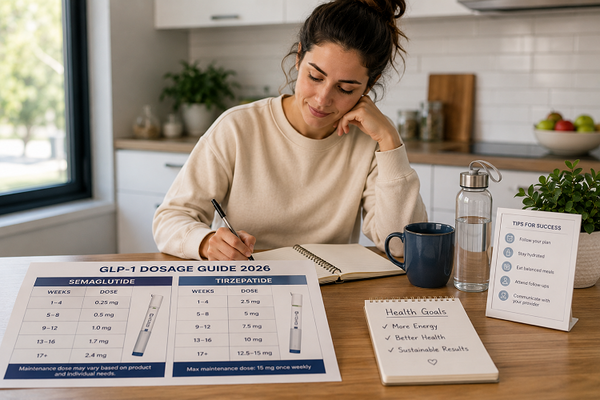
Navigating a new medication can feel overwhelming, especially with treatments that significantly impact your body's metabolism. If you are using or considering medications like semaglutide or tirzepatide, understanding how to use them safely is essential. A comprehensive GLP-1 safety guide ensures you know exactly what to expect, how to manage your body's response, and when to reach out to a doctor.
This GLP-1 patient guide provides a clear roadmap for your treatment journey. You will learn how these medications work, the best ways to minimize discomfort, and the critical warning signs that require immediate medical attention.
What Are GLP-1 Medications?
GLP-1 (glucagon-like peptide-1) receptor agonists are a class of medications primarily used to treat type 2 diabetes and support weight management. Common active ingredients include semaglutide and tirzepatide. These drugs mimic a natural hormone in your body that regulates blood sugar and slows down digestion.
By acting on the brain's appetite centers, these medications help you feel full faster and stay satisfied longer. While highly effective, they require careful monitoring to ensure your body adapts properly to the metabolic changes.
The Benefits of GLP-1 Treatment
When used correctly under medical supervision, this GLP-1 treatment guide highlights several major benefits for your metabolic health. Patients often experience significant improvements in their overall well-being.
- Weight loss support: These medications effectively reduce body weight by lowering caloric intake and curbing cravings.
- Blood sugar control: They stimulate insulin release when blood sugar is high, making them highly effective for diabetic patients.
- Appetite regulation: Slower stomach emptying keeps you feeling full, which naturally limits overeating.
Common GLP-1 Side Effects
As your body adjusts to the medication, you might experience some mild to moderate discomfort. Reviewing [Internal Link: GLP-1 side effects] can help you prepare for these early stages. Managing these symptoms early prevents them from disrupting your daily life.
- Nausea: This is the most common symptom, especially after dose increases. Read our [Internal Link: nausea management] resources for relief strategies.
- Constipation: Slower digestion often leads to infrequent bowel movements. See our [Internal Link: constipation tips] to keep your digestive system moving.
- Reduced appetite: While expected, a severely suppressed appetite can sometimes make it difficult to consume adequate nutrients.
Safe Usage Guidelines
Following semaglutide safety tips and tirzepatide safety guide protocols is critical for a smooth experience. Proper administration minimizes adverse reactions and maximizes the drug's effectiveness.
- Proper dosing and titration: Always follow the exact dosing schedule provided by your doctor. You can refer to our [Internal Link: dosage charts] to understand standard progressions.
- Following prescribed schedules: Take your medication on the same day each week to maintain consistent levels in your body.
- Avoiding sudden dosage changes: Never double a dose to make up for a missed one, and never increase your dose without medical approval.
The Importance of Gradual Dose Increases
Starting at a low dose and slowly increasing it, a process called titration, is the safest way to use these medications. This gradual approach allows your gastrointestinal tract to adapt. Rushing this process almost always leads to severe nausea and vomiting. Consistent monitoring during the titration phase ensures your body is handling the medication well.
Lifestyle Habits That Improve Safety
Medication is only one part of the equation. Your daily habits play a massive role in how well you tolerate the treatment. Building a supportive routine is a core component of this GLP-1 safety guide.
- Hydration: Drink plenty of water throughout the day. Slower digestion and reduced food intake can quickly lead to dehydration.
- Balanced diet: Focus on lean proteins, complex carbohydrates, and fiber to support digestion and maintain muscle mass.
- Regular physical activity: Light to moderate exercise helps regulate blood sugar and promotes healthy bowel movements.
Warning Signs to Watch For
While mild side effects are normal, certain symptoms indicate that your body is struggling to process the medication. Being aware of [Internal Link: warning signs] empowers you to act quickly before minor issues become major health concerns.
- Persistent vomiting: If you cannot keep fluids down for more than 24 hours, you are at high risk for severe dehydration.
- Severe abdominal pain: Intense stomach pain that radiates to your back is not a normal side effect.
- Dehydration symptoms: Watch for dark urine, extreme dizziness, or a racing heart rate.
Serious Complications to Know
Though rare, serious complications can occur. Patients with a history of certain medical conditions may be at a higher risk.
- Pancreatitis: Inflammation of the pancreas presents as severe, unrelenting stomach pain often accompanied by vomiting.
- Severe gastrointestinal issues: Gastroparesis, or stomach paralysis, can occur if digestion slows down entirely.
- Hypoglycemia: Diabetic patients combining GLP-1s with other blood sugar medications may experience dangerously low blood sugar levels.
When to Stop Medication and Seek Help
Never ignore severe pain or persistent illness. If you experience symptoms of pancreatitis, extreme dehydration, or an allergic reaction (such as swelling of the face, lips, or throat), stop taking the medication immediately. Go to the nearest emergency room or contact emergency services. It is always safer to pause your treatment and consult a medical professional than to push through severe physical distress.
The Role of Your Healthcare Provider
Your doctor is your primary partner in managing your metabolic health. They are responsible for determining the right starting dose, evaluating your progress, and adjusting your treatment plan as needed. Attend all follow-up appointments and report any side effects honestly. Open communication ensures that your treatment remains safe, effective, and tailored to your specific physical needs.