Interest in new metabolic treatments has surged as more patients look for reliable ways to manage type 2 diabetes and achieve meaningful weight loss. You may have heard of these treatments in the news or from friends, but knowing what happens inside your body when you take them is key to setting realistic expectations.
These therapies mimic natural hormones to regulate important bodily functions, such as how your stomach empties and how your pancreas releases insulin. Understanding these mechanics helps you make informed health decisions.
This guide explains the biology behind GLP-1 medications, how they regulate appetite, manage blood sugar, and influence metabolism. You'll also learn the differences between popular options, common physical adjustments, and how to safely approach this treatment.
Understanding GLP-1 Medications
GLP-1 medications are part of a drug class called GLP-1 receptor agonists. GLP-1 (glucagon-like peptide-1) is a hormone made in your intestines after eating. It has several vital roles in digestion and metabolism.
Because the natural hormone breaks down quickly, drug companies created synthetic versions that last much longer. When you take a GLP-1 receptor agonist, it activates the same receptors as your body’s own hormone. This prolonged action allows the effects to last days, or even a week, depending on the medication.
These medications send strong, long-lasting signals to your brain and digestive system. That helps your body regulate food intake and process sugars better.
The Impact on Your Digestive System
One of the first changes you’ll notice is in your digestion. GLP-1 medications slow down how fast food leaves your stomach and enters your small intestine (gastric emptying).
Because food stays in your stomach longer, you feel full sooner and remain full longer. This helps reduce overeating and snacking.
However, slower digestion means you may need to change how and what you eat. Large or heavy meals can cause discomfort if your stomach empties more slowly.
Achieving Blood Sugar Control
For people with type 2 diabetes, GLP-1 medications can transform daily blood sugar management. These drugs help the pancreas by:
- Stimulating insulin release, but only when blood sugar levels are high. This glucose-dependent effect makes these drugs safer with less risk of hypoglycemia.
- Suppressing glucagon, a hormone that tells the liver to release stored sugar. Lower glucagon and higher insulin combine to help keep your glucose stable.
Metabolism and Weight Loss
The mix of slower digestion and less hunger often leads to eating fewer calories. Over time, this helps with weight loss.
Clinical studies show that people on these therapies often lose a significant amount of weight. As weight drops, overall metabolic health improves, stress on the heart goes down, joint pain eases, and risk of obesity-related problems is lower.
Better insulin action prevents your body from turning excess sugar into fat, so your metabolism can work more efficiently.
Comparing Semaglutide and Tirzepatide
Among GLP-1 medications, semaglutide and tirzepatide are the most popular now. Both are effective for blood sugar control and weight loss, and given as weekly injections, but act a bit differently.
Semaglutide is a pure GLP-1 receptor agonist, working through a single hormone pathway for appetite and insulin effects.
Tirzepatide works on GLP-1 and another hormone, GIP (glucose-dependent insulinotropic polypeptide), for a combined, and sometimes greater, impact on weight loss and glucose control.
Choosing the Right Option
- Medical History: Doctors choose a drug based on your diabetes or weight loss needs.
- Tolerance: Individual experiences with side effects can differ between medications.
- Insurance Coverage: Availability and costs can vary widely by plan.
Navigating Potential Side Effects
Because these drugs slow digestion, side effects, especially at the start; are common, mainly in the digestive system. Most report nausea, vomiting, diarrhea, or constipation.
These occur as your digestive system adjusts. Nausea is often most noticeable after your weekly dose and improves later in the week.
Feeling a bit tired is also common. As you eat fewer calories and your blood sugar stabilizes, you may feel less energy during your first weeks on treatment.
How Your Body Adapts Over Time
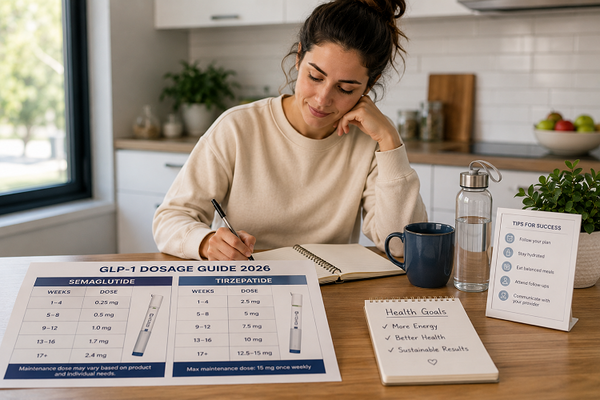
- Gradual Titration: Doctors start low and go slow, raising the dose over months so your system can adjust.
- Symptom Reduction: Most people find digestive symptoms fade after several weeks.
Key Tips for Safe and Effective Use
Success with these medications relies on partnering with your treatment plan. Just taking the drug, without changing habits, can lead to more discomfort.
Hydration is key. Eating less food means you need to drink more fluids to avoid dehydration and prevent constipation.
You’ll also need to eat smaller meals. Smaller, more frequent, and healthier meals, especially lean proteins and vegetables, are gentler on your digestive system.
Why Physician Supervision Matters
GLP-1 medications are powerful and require medical oversight. Not everyone is a good candidate. Your provider will check kidney function, monitor weight loss, and adjust doses as needed. They can also help with side effects as you increase your dose.
If you're on medications for blood pressure or diabetes, your doctor must manage those closely. As weight and blood sugar improve, your other medication doses may need to be reduced.
Your Next Steps for Metabolic Therapy
GLP-1 medications are a major breakthrough for type 2 diabetes and sustained weight loss. By understanding how these drugs control appetite, slow digestion, and stabilize insulin, you can set realistic expectations and make informed choices.
Adapting takes patience and good habits. If you think you’re a candidate, schedule a medical consultation. Your provider can walk you through risks, benefits, and next steps for reaching your health goals, safely.