GLP-1 medications have become one of the most talked-about tools in modern weight management. But before starting treatment, it's important to understand the GLP-1 eligibility criteria that determine whether this type of medication is appropriate for you.
Eligibility isn't based on desire to lose weight alone. It depends on a combination of health history, current medical conditions, and a proper evaluation by a licensed clinician.
What Are GLP-1 Medications?
GLP-1 medications mimic a naturally occurring hormone that helps regulate blood sugar and appetite. They were originally developed to manage type 2 diabetes and have since become widely used for GLP-1 weight loss treatment.
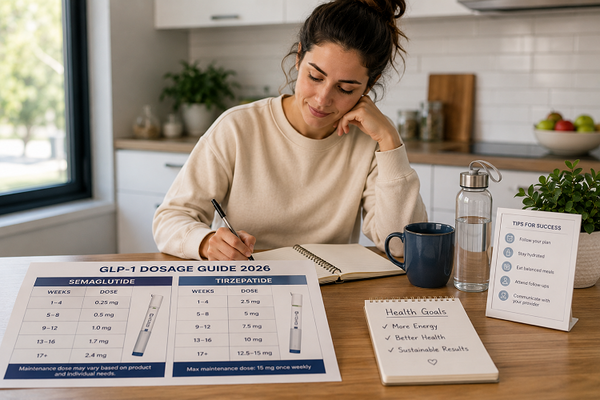
Common examples include semaglutide and tirzepatide, both of which work by slowing digestion and reducing hunger signals. These medications are typically prescribed as part of a broader, physician-supervised weight loss plan rather than a standalone solution.
Who Qualifies for GLP-1 Treatment?
Understanding who qualifies for GLP-1 starts with looking at overall health status, not just a number on a scale. Clinicians typically assess weight, related health conditions, and medical history together.
In general, candidates fall into two broad categories:
- Adults with a higher body mass index (BMI) who are seeking weight management support
- Adults with a moderately elevated BMI who also have weight-related health conditions
A licensed healthcare provider will confirm where a patient falls before recommending treatment.
Semaglutide Eligibility
Semaglutide eligibility generally follows established BMI thresholds along with a review of any existing health conditions. Patients are usually asked about previous weight loss attempts and current medications during evaluation.
Tirzepatide Eligibility
Tirzepatide eligibility follows a similar framework, with additional attention paid to blood sugar levels in some cases. As with semaglutide, a full medical history helps determine whether this option is suitable.
BMI and Medical Eligibility Requirements
BMI remains one of the most common starting points for GLP-1 eligibility, though it's never the only factor considered. Most clinical guidelines reference a BMI of 30 or higher, or 27 and above when weight-related health conditions are present.
That said, BMI is just a screening tool. It doesn't capture muscle mass, distribution of body fat, or overall metabolic health, which is why clinicians look at the full picture rather than one measurement alone.
Health Conditions That May Affect Eligibility
Certain existing health conditions can influence whether GLP-1 treatment is appropriate. These may include:
- Type 2 diabetes or prediabetes
- High blood pressure or high cholesterol
- Sleep apnea or other weight-related conditions
Each of these conditions may support the case for treatment, but they also require careful monitoring once medication begins. This is why ongoing communication with a licensed healthcare provider matters throughout treatment.
Who May Not Be a Good Candidate?
GLP-1 medications aren't suitable for everyone, and a responsible provider will always screen for contraindications first. Certain personal or family medical histories may rule out treatment entirely.
Patients may not be good candidates if they have:
- A personal or family history of certain thyroid cancers
- A history of pancreatitis
- Current pregnancy or plans to become pregnant soon
Anyone with these conditions should discuss alternative options with their doctor rather than pursuing GLP-1 treatment independently.
Why a Medical Evaluation Is Important
No online quiz or self-assessment can replace a real medical evaluation. A licensed clinician reviews lab work, medication history, and personal risk factors before confirming eligibility.
This evaluation also sets the foundation for safe dosing and follow-up care. Physician-supervised weight loss programs are designed to adjust treatment over time based on how a patient responds, not to apply a one-size-fits-all approach.
Frequently Asked Questions
Do I need a specific BMI to qualify for GLP-1 treatment? Most guidelines use a BMI of 30 or higher, or 27 with a related health condition, as a general reference point. A licensed provider will confirm your specific eligibility based on your full health profile.
Can I qualify for GLP-1 treatment without diabetes? Yes. Many patients use GLP-1 medications strictly for weight management, even without a diabetes diagnosis, as long as they meet other medical criteria.
Is online evaluation enough to determine eligibility? An online intake can be a helpful first step, but a licensed healthcare provider still needs to review your history and confirm you're a safe candidate before any prescription is issued.
Conclusion
Understanding the GLP-1 eligibility criteria is an important first step, but it's not a substitute for professional medical guidance. Your BMI, existing health conditions, and personal medical history all play a role in determining whether this treatment is right for you.
Before starting semaglutide, tirzepatide, or any other GLP-1 medication, consult a licensed healthcare provider who can evaluate your full health picture and recommend a safe, personalized plan.