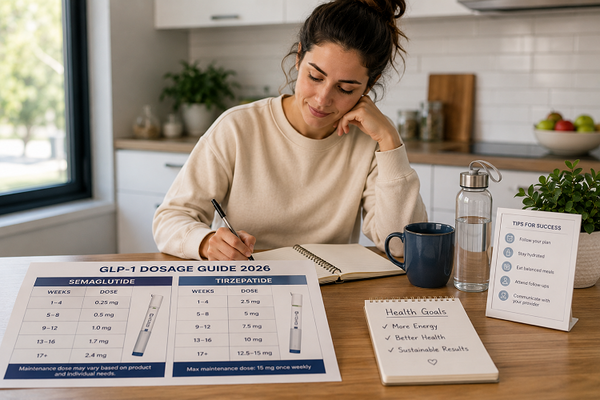
Understanding your GLP-1 dosage schedule is a key part of successful metabolic and diabetic therapy. Patients starting semaglutide or tirzepatide must follow a standard protocol to ensure safety, comfort, and results. This clinical guide outlines the basics of how titration works so you know what to expect and how to navigate your prescription.
A physician-supervised GLP-1 protocol ensures your body adapts gradually to new medication, reducing adverse reactions and maximizing benefits. By following these established guidelines, you’ll help keep your health stable throughout treatment.
What Is GLP-1 Therapy?
Glucagon-like peptide-1 (GLP-1) receptor agonists are prescription medications used for weight management and type 2 diabetes. These drugs mimic a natural hormone that regulates appetite, slows digestion, and increases insulin when needed. As you take the medication, it helps control blood sugar and hunger levels.
These medications can create big metabolic changes, so they must be started cautiously. Most patients inject GLP-1 medication subcutaneously once a week, as prescribed. Sticking to the dosing schedule is key for safety and effectiveness. Skipping doses or changing your routine reduces the clinical impact of treatment.
Why Titration Is Important
Titration, increasing your dose gradually, lets your digestive system safely adjust to new hormone levels. Rushing can cause severe side effects like nausea and dehydration, sometimes forcing patients to stop treatment. Starting with low doses isn’t meant to deliver instant results; it prepares your body for maintenance doses in later months.
The stepwise approach protects your pancreas and gallbladder from sudden stress. Each increase acts as a biological stepping stone for better tolerance and a smoother patient experience.
Semaglutide Dosing Schedule
Semaglutide titration usually follows four-week intervals to ensure safety. Remain on each dose for at least four weeks, while your provider monitors for side effects or intolerance.
- Month 1: 0.25 mg weekly, starting point for tolerance and adaptation.
- Month 2: 0.5 mg weekly, first step-up for blood sugar and appetite control.
- Month 3: 1.0 mg weekly, supports ongoing metabolic improvements.
- Month 4 and beyond: 1.7–2.4 mg weekly, reached only if needed for maintenance.
Some patients won’t need the highest doses to reach their clinical targets; your provider tailors maintenance doses to your progress and tolerance.
Tirzepatide Dosing Schedule
Tirzepatide also uses a four-week titration, though with different dose amounts. This dual-action medication requires the same steady escalation and close supervision:
- Month 1: 2.5 mg weekly, for initial adaptation.
- Month 2: 5.0 mg weekly, beginning therapeutic effect.
- Month 3: 7.5 mg weekly, if tolerated.
- Month 4 and beyond: 2.5 mg increases up to 15.0 mg weekly as needed for long-term management.
The highest doses are reserved only for those needing maximum glycemic or weight control. If you experience intolerable side effects, your provider may slow the titration until you adapt before increasing.
Common Side Effects
Most side effects occur within 48–72 hours after increasing your GLP-1 dose. These are typically mild or moderate and fade as your body adapts:
- Nausea, especially after large or fatty meals
- Changes in bowel habits (constipation, diarrhea)
- Bloating, abdominal discomfort, decreased appetite
To help manage symptoms, drink fluids with electrolytes and eat smaller, more frequent meals. If severe symptoms persist or prevent fluid intake, contact your provider right away.
When to Adjust or Pause Dosage
While most patients stay on the monthly titration, your physical response comes first. If you have strong side effects, your doctor may keep you at your current dose for longer. There’s no penalty for progressing slowly, comfort and safety come first.
Certain situations; illness, surgery, or dehydration, might require a temporary medication pause. Never double up or otherwise alter your dosing in response to missed injections. Always consult your doctor before making changes.
Changing your dose on your own can suddenly drop your blood sugar. If you stop and restart medication, get advice from your clinical team for a safe transition.
Do Not Self-Adjust Your Dosage
Never increase your GLP-1 dosage without medical supervision. Self-adjusting raises your risk for pancreatitis, dehydration, and gallbladder issues. Only your provider can make safe decisions about dose changes.
Those with kidney problems or digestive issues must be especially cautious. Medication should only be managed through consistent medical appointments, including bloodwork to monitor your metabolic response.
Trying to “speed up” weight loss or glycemic control by taking more medication is unsafe and does not lead to better outcomes.
Best Practices
Open communication with your healthcare team is essential. Report new or unusual symptoms promptly so your provider can adjust your plan as needed. Regular check-ins and lab work are a non-negotiable part of GLP-1 therapy.
Follow dietary recommendations, lean proteins and proper hydration support your treatment and minimize side effects during titration.
Final Steps
GLP-1 titration is a gradual, physician-guided process. Your patience and honesty with your care team are vital for long-term success. If you’re considering semaglutide or tirzepatide, see a healthcare provider to discuss if this therapy is right for you.
Do not start or adjust GLP-1 medication without professional support. Reach out to your medical provider for a safe, individualized plan tailored to your unique health needs.