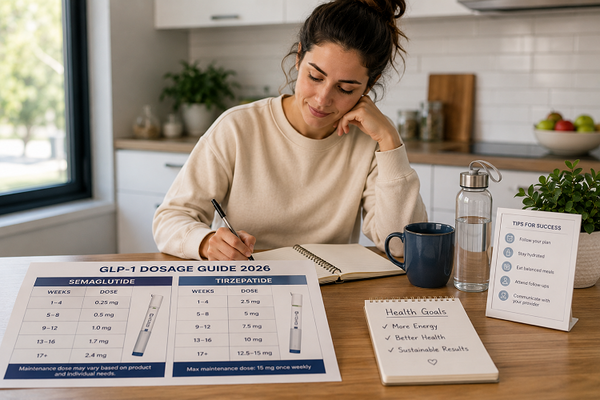
Starting a new medication journey can bring unexpected changes to your body. Medications like semaglutide and tirzepatide are transforming metabolic health and weight management. However, adjusting to these treatments often requires specific lifestyle modifications. Knowing which foods to reduce GLP-1 side effects is essential for maintaining your comfort and achieving the best results.
Diet plays a central role in how your body responds to these medications. Making strategic food choices helps manage digestive discomfort, ensuring you stay nourished and energized. This article provides practical GLP-1 diet tips to help you minimize side effects, support digestion, and build a sustainable eating routine.
How GLP-1 Medications Affect Digestion
GLP-1 (glucagon-like peptide-1) medications work by mimicking a natural hormone in your body. They regulate blood sugar levels and slow down the emptying of your stomach. This delayed gastric emptying is highly effective for reducing appetite and promoting weight loss.
Unfortunately, this slower digestive process can trigger a range of gastrointestinal symptoms. Because food sits in your stomach longer, the type and volume of food you consume directly impact how you feel. Modifying your diet is often the most effective first step in any GLP-1 treatment guide.
Common Side Effects Linked to Diet
Patients using these medications frequently experience mild to moderate digestive shifts. The severity of these symptoms often fluctuates based on recent food intake and medication timing.
- Nausea and reduced appetite
- Constipation and irregular bowel movements
- Bloating and abdominal discomfort
The Role of Diet in Managing GLP-1 Symptoms
Your digestive system works harder to process food while taking GLP-1 medications. Heavy, complex meals can overwhelm your stomach, leading to increased discomfort. Conversely, choosing easily digestible, nutrient-dense foods supports a smoother digestive process.
Tailoring your meals to your specific symptoms can significantly improve your daily experience. By focusing on hydration, fiber, and gentle proteins, you can support your metabolic health goals without unnecessary digestive distress.
Best GLP-1 Nausea Foods
Nausea is the most widely reported side effect, especially during the early weeks of treatment or after a dosage increase. Choosing the right GLP-1 nausea foods can calm your stomach and prevent sudden spikes in discomfort.
- Bland foods: Toast, plain crackers, and white rice are easy to break down and less likely to irritate the stomach lining.
- Ginger-based items: Fresh ginger tea or natural ginger chews offer proven anti-nausea properties.
- Small, frequent meals: Eating a few bites every couple of hours prevents the stomach from becoming completely empty, which can worsen nausea.
Best GLP-1 Constipation Foods
Because GLP-1 medications slow down digestion, waste moves more slowly through the intestinal tract. Staying proactive with specific GLP-1 constipation foods helps maintain bowel regularity.
- Fiber-rich foods: Fruits, vegetables, and whole grains add essential bulk to your stool.
- Legumes and seeds: Chia seeds, flaxseeds, and lentils are excellent sources of soluble fiber that help soften output.
- Hydrating foods: Cucumbers, watermelon, and celery provide extra water, which is necessary for fiber to work effectively.
(Internal Link Opportunity: View our comprehensive list of constipation tips for patients on metabolic treatments.)
Foods for Overall Gut Health
Maintaining a healthy gut microbiome supports better digestion and nutrient absorption. Incorporating foods that feed beneficial bacteria can reduce bloating and promote a calm digestive tract.
- Probiotic foods: Unsweetened yogurt and kefir introduce healthy bacteria into your digestive system.
- Prebiotic foods: Bananas, oats, and onions provide the necessary fuel for your healthy gut bacteria to thrive.
- Easily digestible proteins: Baked poultry, tofu, and fish are gentle on the stomach while helping preserve muscle mass.
Foods to Limit or Avoid on a Semaglutide Diet Plan
Just as some foods soothe the stomach, others can severely aggravate GLP-1 side effects. Slowed gastric emptying means heavy, hard-to-digest foods stay in your system longer, increasing the risk of nausea and acid reflux.
To maintain comfort on your semaglutide diet plan, strictly limit highly processed foods that offer little nutritional value. Fatty or fried foods take significantly longer to digest and are notorious for triggering severe nausea. Additionally, sugary foods and carbonated beverages can cause rapid bloating and spikes in blood glucose, working against the medication's intended benefits.
Daily Eating Habits That Help Reduce Side Effects
Beyond what you eat, how you eat matters greatly. Adjusting your daily habits can sometimes be as effective as changing your grocery list. Practicing mindful eating allows your brain to catch up with your stomach's fullness signals.
- Smaller portion sizes: Serve yourself less food initially to avoid overeating and subsequent bloating.
- Eating slowly: Chew your food thoroughly to aid the mechanical breakdown of meals before they reach your stomach.
- Consistent hydration: Sip water continuously throughout the day rather than drinking large amounts during meals, which can cause painful fullness.
Sample Daily Food Routine for GLP-1 Users
Building a structured routine takes the guesswork out of meal planning. A balanced approach ensures you receive adequate nutrition despite a reduced appetite.
- Morning: A small bowl of oatmeal topped with sliced bananas and a side of ginger tea.
- Mid-day: A light serving of grilled chicken alongside a cucumber and tomato salad.
- Evening: Baked fish with a small portion of plain white rice and steamed spinach.
When to Seek Medical Guidance for Tirzepatide Side Effects Food
While dietary changes manage most mild symptoms, they cannot fix everything. It is vital to recognize when your body needs professional medical attention. Severe tirzepatide side effects food modifications cannot resolve require immediate consultation with your healthcare provider.
If you experience persistent vomiting that prevents you from keeping liquids down, you risk severe dehydration. Severe, unrelenting abdominal pain or constipation lasting more than a few days also requires medical evaluation. Your doctor can adjust your medication dosage or prescribe targeted therapies to help you navigate these challenges safely.