Navigating weight loss medications can be overwhelming, especially when costs are a major concern. With drugs like semaglutide and tirzepatide in the spotlight, patients often have to weigh the pros and cons of brand-name versus compounded options. A major deciding factor is the price difference.
If you’re looking into GLP-1 weight loss medication costs, you’ll notice a significant price gap, especially since insurance coverage varies widely. Many patients pay entirely out of pocket, driving a surge of interest in compounded medications.
This guide provides a clear GLP-1 treatment price breakdown. We’ll explain what these medications are, the key differences between brand and compounded options, and how to choose safely while balancing your budget and health goals.
Understanding GLP-1 Medications for Weight Loss
GLP-1 (glucagon-like peptide-1) receptor agonists were first created to treat type 2 diabetes. Soon, researchers noticed a major side benefit: lasting weight loss. These medications mimic a hormone in your body that regulates blood sugar and appetite.
Taking a GLP-1 medication slows down gastric emptying, keeping you full longer and reducing hunger. This supports better metabolic health and long-term weight management.
The two most common GLP-1 medications for weight loss are semaglutide and tirzepatide. Both have shown impressive results in clinical trials, helping people lose significant weight when combined with lifestyle changes.
What Are Brand-Name GLP-1 Medications?
Brand-name GLP-1 drugs are produced by major pharmaceutical companies and have been approved by the Food and Drug Administration (FDA) for specific uses after years of clinical trials. These drugs have proprietary names and are typically delivered in regulated, standardized pens.
Common examples:
- Ozempic and Wegovy (semaglutide)
- Mounjaro and Zepbound (tirzepatide)
What Are Compounded GLP-1 Medications?
Compounded GLP-1 medications are custom-made by licensed compounding pharmacies, often stepping in when brand-name drugs are in short supply. The pharmacist prepares the medication to fit your provider’s specific prescription using the base ingredient (like semaglutide sodium or tirzepatide base) in a sterile environment.
Key characteristics:
- Dispensed in vials with syringes, not pens.
- May include added vitamins such as B12.
- Not FDA-approved but prepared in regulated facilities.
Compounded vs Brand GLP-1: Price Breakdown
The clearest difference between brand and compounded GLP-1 medications is cost. Many patients explore compounded alternatives due to this price gap.
When paying out of pocket without insurance, brand-name drugs can be a major financial commitment. A side-by-side look helps you make an informed choice.
Brand GLP-1 Medication Cost
Brand-name drugs are expensive because of development, patents, and marketing costs.
- Wegovy or Zepbound: $1,000 to $1,300 per month.
- Ozempic and Mounjaro: $900 to $1,100 per month.
- Even with savings cards, you may pay $500 to $600 monthly if insurance denies coverage.
Compounded Semaglutide Cost and Tirzepatide Cost
Compounding pharmacies have lower overhead, so they can sell active ingredients at reduced rates.
- Compounded semaglutide: $200 to $400 per month.
- Compounded tirzepatide: $300 to $500 per month.
- Pricing often includes medication, shipping, and sometimes consultation fees.
Factors Affecting Your GLP-1 Treatment Price Breakdown
The prices above are averages; your real expenses may differ. Key factors include:
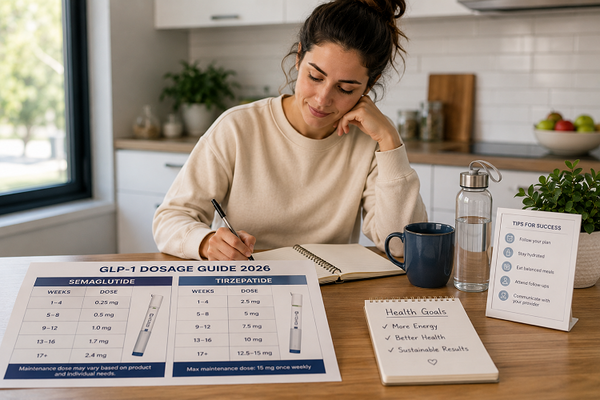
- Dosage requirements: Higher doses cost more.
- Clinic membership fees: Some telehealth platforms charge monthly fees unrelated to medication.
- Shipping and supplies: There may be extra charges for cold shipping, syringes, or alcohol pads.
Safety Considerations for Compounded Medications
While compound options are cheaper, safety is critical. Compounded GLP-1 medications are not FDA-approved and do not go through the same rigorous testing as brand-name products. This means you need to be careful when choosing your pharmacy.
Tips for safety:
- Make sure the compounding pharmacy is properly licensed.
- Verify the facility follows strict 503A or 503B guidelines.
- Ask for a Certificate of Analysis (CoA) to confirm ingredient purity.
Finding Reputable Clinics and Pharmacies
A trustworthy medical weight loss clinic is essential. The internet is full of telehealth offerings, but their quality can vary.
A good clinic will require a thorough medical history and recent labs before prescribing any treatment. They should be transparent about their pharmacy partners. If they refuse to share where medications are filled, look elsewhere.
The Importance of Physician Supervision
GLP-1 treatment requires medical oversight. These medications have substantial effects and should not be used without a prescription and regular monitoring.
A qualified provider will track your progress, adjust dosages to minimize side effects, and watch for issues like nutrient deficiencies or muscle loss. Self-medicating or buying without supervision can be dangerous.
Taking the Next Step in Your Weight Loss Journey
The choice between compounded and brand-name GLP-1 medications balances health, safety, and budget. Brand names offer FDA approval and consistent dosing. Compound medications provide a more affordable option outside traditional insurance channels.
Consult with a licensed provider who can help you choose the best and safest path for your needs. They can guide you through insurance, medication selection, and a healthy overall plan.