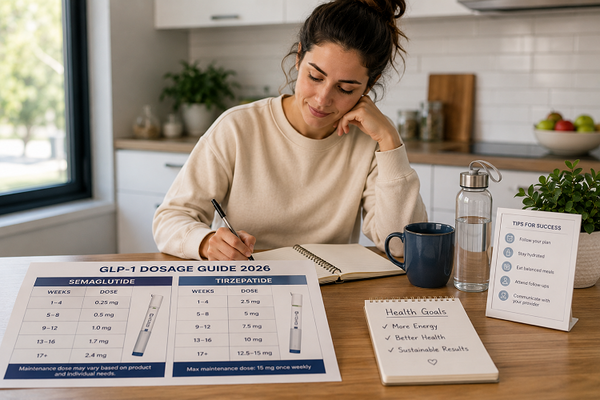
Searching for the best GLP-1 telehealth provider 2026 has to offer? You're not alone. As more patients turn to online care for weight management, understanding how to evaluate a provider matters more than chasing a ranking or a low price tag.
This guide walks through what GLP-1 telehealth actually involves, what separates a trustworthy clinic from a risky one, and the questions you should ask before starting treatment.
What Is a GLP-1 Telehealth Provider?
A GLP-1 telehealth provider is a virtual clinic that connects patients with licensed clinicians for weight management or metabolic health support. These platforms typically offer consultations, prescriptions, and follow-up care entirely online.
Most reputable services fall under the umbrella of an online weight loss clinic, pairing medical evaluation with GLP-1 medication management. The goal is to make physician-supervised weight loss accessible without requiring frequent in-person visits.
How Online GLP-1 Programs Work
A typical telehealth weight loss program starts with an online intake form covering your medical history, current medications, and weight loss goals. A licensed clinician then reviews this information before any prescription is issued.
If appropriate, you'll have a GLP-1 consultation by video or secure messaging. From there, an online GLP-1 provider should outline dosing, potential side effects, and a plan for ongoing monitoring.
What Makes a Telehealth Provider Trustworthy
Trustworthiness in GLP-1 treatment online comes down to transparency and clinical rigor, not marketing claims. A credible provider will clearly disclose who is prescribing your medication and their licensing credentials.
Look for platforms that are upfront about:
- Which states they're licensed to practice in
- Whether medications come from a licensed compounding pharmacy or FDA-approved manufacturer
- How lab work or health screenings factor into eligibility
Physician Supervision and Ongoing Follow-Up
Genuine physician-supervised weight loss doesn't end after your first prescription. Ongoing follow-up allows your care team to adjust dosing, monitor side effects, and address any concerns as your treatment progresses.
Before enrolling in any semaglutide telehealth or tirzepatide telehealth program, confirm how often you'll have check-ins and whether you can reach a clinician between appointments. Consistent follow-up is one of the clearest signs of quality care.
Brand-Name vs. Compounded GLP-1 Medications
Patients considering semaglutide online or tirzepatide online treatment will often encounter both brand-name and compounded options. Brand-name medications are FDA-approved and manufactured under strict federal oversight.
Compounded versions are prepared by a licensed compounding pharmacy and may be used when brand-name supply is limited or when a formulation adjustment is medically necessary. Ask your provider to explain which option they use and why, including any relevant regulatory context.
Pricing Transparency and Hidden Fees
Cost is a major factor, but pricing alone shouldn't drive your decision. A trustworthy online GLP-1 provider will clearly list consultation fees, medication costs, and any recurring charges upfront.
Watch for vague pricing structures or unexpected add-ons discovered only at checkout. Transparent billing reflects a provider's overall commitment to patient trust.
Questions to Ask Before Choosing a Provider
Before committing to any GLP-1 telehealth service, it helps to ask direct questions.
- Is the prescribing clinician a licensed healthcare provider in my state?
- What happens if I experience side effects between appointments?
- Are all medication and service costs disclosed before I pay?
Clear, confident answers to these questions are a strong sign you're dealing with a legitimate clinic.
Red Flags to Avoid
Certain warning signs suggest a provider may not prioritize patient safety. Be cautious of platforms that skip medical intake entirely or guarantee specific weight loss results.
Other red flags include unclear pharmacy sourcing, no access to a real clinician, and pressure tactics like limited-time discounts on medical treatment. Genuine care never rushes a medical decision.
How to Choose the Right Provider for Your Needs
There isn't a single best GLP-1 telehealth provider 2026 for every patient, because medical needs vary widely. The right fit depends on your health history, insurance situation, and how much ongoing support you want.
Some patients prioritize frequent physician check-ins, while others need flexible scheduling or specific pharmacy requirements. Matching these priorities to a provider's actual services matters more than any single review or ranking.
Final Guidance and Next Steps
Choosing a GLP-1 telehealth provider is a personal medical decision that deserves careful research. Focus on licensing, physician oversight, pharmacy transparency, and clear pricing rather than marketing claims alone.
Take time to compare a few options, ask direct questions, and confirm that ongoing follow-up is part of the plan before you commit.
Frequently Asked Questions
Is GLP-1 telehealth safe? When conducted through a licensed healthcare provider with proper medical screening and follow-up, telehealth GLP-1 care can be a safe way to access treatment. Safety depends heavily on the specific provider's practices.
What's the difference between semaglutide and tirzepatide? Both are GLP-1 medication options used for weight management, but they work through slightly different mechanisms and may suit different patients. A licensed clinician can help determine which, if either, fits your health profile.
How do I know if a compounding pharmacy is legitimate? Ask your provider directly whether their licensed compounding pharmacy is state-licensed and accredited. Legitimate providers will share this information without hesitation.
Talk to a Licensed Healthcare Provider
GLP-1 treatment is a medical decision that should involve a qualified clinician who understands your full health history. Before starting any online GLP-1 provider program, consult a licensed healthcare provider to determine whether GLP-1 therapy is appropriate for you.